Understanding whether Punta Cana is safe for tourists
Punta Cana in the eastern Dominican Republic has built its reputation on calm beaches and well-managed resort zones. For anyone asking is Punta Cana safe for tourists, the honest answer is that it is generally safe for the average visitor who follows basic travel tips and respects local advice. Authorities treat tourism as a strategic priority, so security measures in the main resort areas operate with a high degree of vigilance and visible presence.
The wider Dominican Republic depends heavily on tourism, which means local authorities, resort security teams, and the dedicated Tourist Police (CESTUR) work together to protect visitors in Punta Cana. Official data published by the Dominican Republic Ministry of Tourism and summarized in recent CESTUR briefings describe crime against visitors as low compared with many Caribbean destinations, with most reports involving non-violent theft rather than assaults.[1] These figures, which align with government safety reports and foreign travel advisories, support the view that safe travel in the main Punta Cana resort areas is realistic when you apply a normal degree of caution and choose where you stay carefully.
When travellers ask whether Punta Cana is safe for tourists, they usually want to know about crime, health, and water safety rather than abstract statistics. The local safety framework combines visible patrols, cameras, and strict resort access controls, which together reduce risk in the most visited zones. A recent example highlighted by local media involved tourists who left bags unattended at a beach bar; the items were taken within minutes, and CESTUR later recovered some belongings after reviewing camera footage. If you plan your trip around established Punta Cana resorts, use hotel taxis, and avoid isolated streets late at night, you will likely find that Punta Cana feels as safe as many large European or North American beach destinations, especially for families and first-time visitors.
How safety works across Punta Cana’s main resort areas
Not every part of the Dominican Republic offers the same level of safety, so understanding Punta Cana’s different areas helps you choose the right place to stay. The main tourist areas stretch from Bávaro down to Cap Cana, and these zones are where resort security, Tourist Police patrols, and surveillance cameras are most concentrated. If you want the best balance between relaxed holidays and safe travel, focus your hotel search on these established beachfront strips rather than scattered properties far inland or in purely residential districts.
Cap Cana is a gated community south of the airport, and many travellers who ask is Punta Cana safe for tourists end up choosing this enclave because of its controlled access and strong security culture. Within Cap Cana, guards monitor every vehicle, and resort staff follow instructions from local authorities on emergency procedures, visitor registration, and safety standards. This makes Cap Cana one of the safest resort areas on the Dominican coastline, especially for families or solo travellers who value a high degree of predictability and prefer a quieter, more exclusive setting.
Farther north, the long beach of Bávaro and the adjoining Punta Cana corridor host some of the best all inclusive resorts, where private security teams coordinate with the Tourist Police (CESTUR) and local law enforcement. These resorts usually have wristband systems, controlled gates, and cameras in public spaces, which together create a safe environment for guests moving between rooms, pools, and restaurants. When you compare resorts in these zones, pay attention to how they describe their security protocols, because the best properties are transparent about patrols, lighting, and how they handle non guest access or unexpected incidents.
Choosing where to stay for the safest Punta Cana experience
For travellers wondering is Punta Cana safe for tourists who leave the resort occasionally, the choice of neighbourhood matters as much as the hotel brand. Staying in large beachfront resorts in Bávaro, Arena Gorda, or Cap Cana generally offers the lowest risk profile, because these Punta Cana resorts are designed as controlled environments with layered security. Smaller properties in more urban parts of the Dominican Republic can be perfectly safe, but they require a higher degree of situational awareness, careful planning, and up-to-date local information.
When you evaluate where to stay, look for clear references to 24 hour security, room safes, and collaboration with local authorities, because these are strong indicators of a mature safety culture. Properties that highlight their work with the Tourist Police, their use of surveillance cameras, and their procedures for handling non registered visitors usually take guest safety seriously. You can compare several of the best resorts and their safety features using curated guides such as this overview of the best all inclusive resorts in Punta Cana and how to choose the right one, then match those options to your own risk tolerance and preferred travel style.
Think carefully about your travel style before you book, because the safest choice for one tourist may not suit another. If you plan to spend most of your time inside the resort, then large Punta Cana resorts with extensive facilities, strong security, and direct beach access will feel very safe. Travellers who want to explore more local areas, visit Santo Domingo, or experience nightlife beyond the resort should stay in properties that offer guided excursions, vetted drivers, and clear travel tips about which streets to avoid after dark and how to return safely.
Crime, water, and health risks in Punta Cana
Any honest answer to the question is Punta Cana safe for tourists must address crime, water quality, and health risks in practical terms. The most common incidents in Punta Cana and across the Dominican Republic involve petty theft, such as unattended bags on the beach or phones left on bar counters. Violent crime against tourists in the main resort areas remains rare according to recent CESTUR briefings and Ministry of Tourism summaries, but you still need to apply a normal degree of caution, especially when you leave controlled zones or carry valuables.
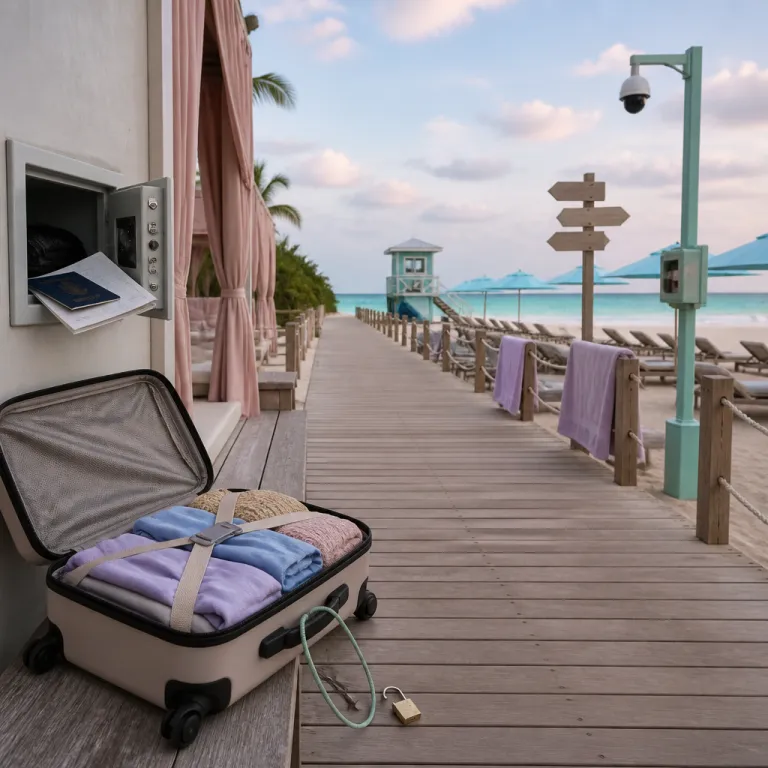
To reduce crime risk, keep passports and most cash in the room safe, carry only what you need, and avoid walking alone on dark or isolated stretches of beach late at night. Use hotel taxis instead of unlicensed vehicles, because resort staff know which drivers are reliable and safe for guests returning after dinner or nightlife. Local authorities and resort security teams coordinate closely, and they expect visitors to follow instructions during any incident, which helps maintain safe travel conditions for everyone and allows rapid response if something goes wrong.
Water and health are separate but equally important aspects of safety, and they influence how safe Punta Cana feels once you arrive. Tap water in Punta Cana is not considered safe for drinking, so always use bottled water for brushing teeth and stay hydrated carefully in the tropical heat. Standard travel insurance that covers medical care, emergency evacuation, and trip interruption is strongly recommended, because even in well equipped resorts, serious health issues are best handled in larger facilities in Santo Domingo or through assistance arranged by your insurer and your home country’s consular services.
Moving beyond the resort: local areas, excursions, and day trips
Many visitors who ask is Punta Cana safe for tourists are really wondering whether it is safe to leave the resort and explore local areas. The answer is yes, provided you use organized excursions, follow instructions from guides, and apply a high degree of common sense when moving through busier streets. Tourist areas such as shopping plazas, marinas, and popular beach clubs are generally safe environments during the day, especially when you travel with reputable operators and stay within well-known routes.
When planning day trips to Santo Domingo or other parts of the Dominican Republic, book with established companies that work closely with local authorities and understand current safety conditions. These operators usually include transport in modern coaches, vetted drivers, and guides who know which neighbourhoods to avoid and how to respond if minor issues arise. Independent travel can be rewarding, but for most tourists focused on relaxation, organized excursions offer the best balance between authentic experiences and safe travel practices, particularly if you do not speak Spanish.
Even within Punta Cana, you will notice a difference between heavily managed tourist areas and more local streets where everyday life unfolds. In resort zones, security is visible and crime risk is low, while in purely local districts you should carry less cash, keep phones out of sight, and stay aware of your surroundings. If you ever feel unsure, return to the resort, speak with the concierge, or contact the Tourist Police, because their role is to support every tourist who chooses to stay in the Punta Cana region and to keep visitor areas running smoothly.
Practical safety checklist for booking and enjoying your stay
Turning the question is Punta Cana safe for tourists into a confident yes depends on a few practical steps before and during your trip. Start by choosing resorts in established Punta Cana or Cap Cana zones, then confirm that your booking includes 24 hour security, in room safes, and clear emergency procedures. Check that your travel insurance covers medical care in the Dominican Republic, lost luggage, and cancellations, because this reduces financial risk and lets you focus on enjoying the beach and local culture.
Before departure, register your trip with your national foreign affairs service, and if you are Canadian, note the contact details for the Embassy Canada office in Santo Domingo in case you need consular help.[2] On arrival, attend any safety briefings, read the information in your room, and follow instructions from resort staff about water safety, beach flags, and local customs. Simple habits such as locking your balcony door, using only bottled water, and arranging taxis through the hotel will keep your Punta Cana travel experience firmly within the safe category and reduce avoidable stress.
During your stay, keep a photocopy of your passport separate from the original, carry only one payment card when you go out, and leave expensive jewellery at home. If you plan nightlife beyond the resort, go in a group, agree meeting points, and use hotel recommended drivers for every journey, because these travel tips significantly lower your exposure to opportunistic crime. Should anything feel wrong, contact resort security or the Tourist Police immediately by calling the national emergency number 911, because early communication allows local authorities to respond quickly and maintain the overall safety of tourist areas across Punta Cana and the wider Dominican Republic.
Key safety statistics for Punta Cana tourists
- Recent summaries from the Dominican Republic Ministry of Tourism and CESTUR describe violent crime against tourists in Punta Cana as rare, with incident rates significantly lower than in many international beach destinations and concentrated mainly outside controlled resort zones.[1]
- Petty theft in Punta Cana’s main tourist areas is reported far more often than violent offences, typically involving unattended belongings on beaches, in bars, or in crowded shopping areas, which highlights that most stays are trouble free when basic precautions are taken.
- Security measures in Punta Cana’s resort zones were strengthened in recent years through increased patrols, surveillance cameras, and checkpoints, as part of a coordinated effort between tourism authorities, CESTUR, and local law enforcement agencies.
- Tourism is a vital contributor to the Dominican Republic economy, which incentivizes the government and private sector to maintain strong safety standards in Punta Cana and other major resort regions, including regular reviews of crime trends and collaboration with foreign embassies on visitor protection.
FAQ: is Punta Cana safe for tourists
Is Punta Cana safe for solo travelers
Is Punta Cana safe for solo travelers? Yes, with standard precautions. Solo visitors should stay in established resorts, use hotel taxis, avoid isolated areas at night, and keep valuables secured, which together keep risk low in the main tourist zones and during organized excursions.
Are resorts in Punta Cana secure
Are resorts in Punta Cana secure? Yes, they have strict security measures. Most large properties use access control, cameras, and dedicated guards, and they coordinate closely with the Tourist Police to protect every tourist who chooses to stay on site and to respond quickly if issues arise.
Is it safe to use public transportation in Punta Cana
Is it safe to use public transportation in Punta Cana? Hotel taxis are recommended over public transport. Public buses and shared vans are designed for local residents, so tourists usually experience safer and more comfortable travel by arranging vehicles through their resort or a trusted tour operator.
How can I reduce health and water risks during my stay
To reduce health and water risks, drink only bottled water, use sunscreen generously, and avoid excessive alcohol in the heat. Consider comprehensive travel insurance that covers medical care in the Dominican Republic, and consult resort staff or local authorities promptly if you feel unwell or notice unusual symptoms.
Who should I contact in case of an emergency
In an emergency, contact resort security or the Tourist Police (CESTUR) immediately, then reach out to your embassy or consulate if you need consular assistance. The national emergency number in the Dominican Republic is 911, and Canadian travellers can contact the Embassy Canada office in Santo Domingo, while others should keep their own embassy details handy before departure.
Trusted references for further safety information
- Dominican Republic Ministry of Tourism – official safety and tourism updates for visitors.[1]
- Official website of the Tourist Police (CESTUR) – information on tourist protection programs and contact details.
- Government travel advisories from your home country’s foreign affairs department, such as the Embassy Canada travel pages for the Dominican Republic, which provide current safety guidance and emergency contacts.[2]
[1] Dominican Republic Ministry of Tourism and CESTUR, visitor safety briefings and crime summaries, accessed 2024.
[2] Government of Canada, Embassy of Canada to the Dominican Republic – travel advice and emergency contacts, accessed 2024.