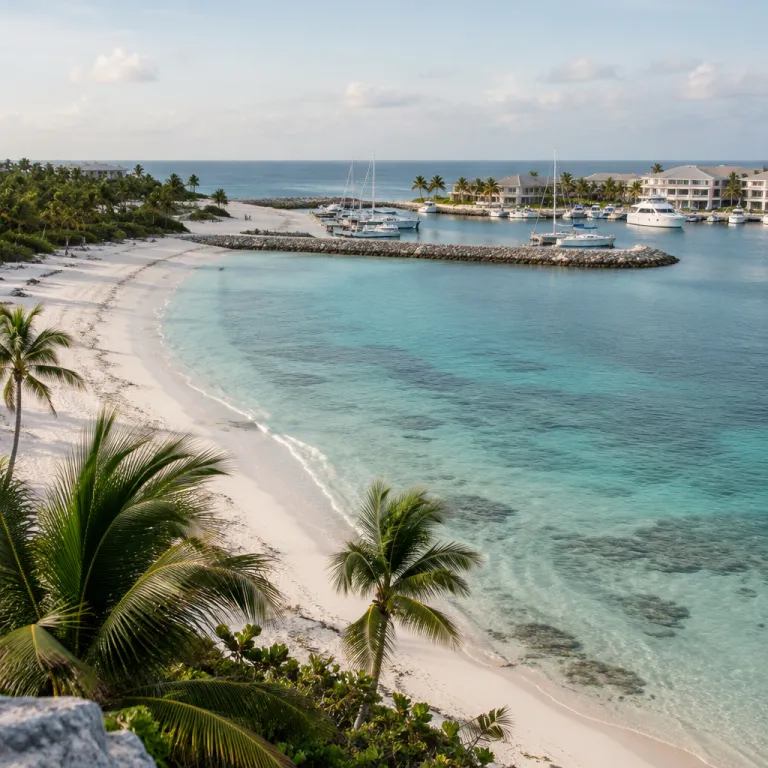
Section 1 – Punta Cana vs Cap Cana in the Dominican Republic: two coastal worlds side by side
The debate around Punta Cana vs Cap Cana starts with geography and ownership. On one hand you have Punta Cana, a long established resort corridor in the eastern area of the Dominican Republic, shaped largely by Grupo Puntacana and its focus on accessible, high density all inclusive properties. Just a short drive south sits Cap Cana, a master planned gated community developed by Cap Cana, S.A., where the emphasis is on privacy, low rise architecture, and a curated village style layout.
Both destinations share the same sun drenched coastline, yet the atmosphere on each beach feels very different. Punta Cana stretches along roughly 50 km of palm lined beaches, according to estimates from the Dominican Ministry of Tourism and regional planning documents from the early 2020s, and offers a lively beach scene with music, water sports, and a constant flow of travelers walking between one resort and the next. Cap Cana, by contrast, concentrates its shoreline into a smaller, carefully protected area, where the beach is quieter, the sand is meticulously groomed, and access is usually limited to registered guests or residents.
When you compare Punta Cana vs Cap Cana, distance is not the deciding factor. Punta Cana International Airport sits between the two, and you can usually reach a Punta Cana resort in about 15 to 20 minutes (roughly 15–25 km), while Cap Cana is roughly a 10 minute drive (about 8–12 km) through a secure entrance. The real choice for travelers planning a stay in the Dominican Republic is whether they prefer the energy and variety of the main Punta Cana resort strip in the north, or the controlled, upscale environment of Cap Cana in the south.
Section 2 – Atmosphere and layout: resort strip or gated village by the beach
Walking through Punta Cana, you immediately sense the linear layout of the main resort strip. Large properties line the beach one after another, and behind them you find a patchwork of local villages, shopping plazas, and attractions that serve both staff and visitors in this busy area. The result is a destination where restaurants, bars, and nightlife cluster along the main roads, giving travelers many options but also more traffic and movement.
Cap Cana feels different from the moment you pass the security gate and enter the planned village style core. Roads are wider and quieter, landscaping is manicured, and the marina, golf course, and residential enclaves are arranged like distinct neighborhoods within one controlled area. For travelers planning a hotel stay, this layout means you often move between the beach, the marina, and the golf club by internal shuttle or golf cart, rather than by public taxi or bus.
If you are weighing Punta Cana vs Cap Cana and thinking about long term stays or even property investment, the structure of each place matters. Punta Cana offers a mix of resort complexes and growing residential projects such as Vista Cana and other communities highlighted in guides about where to stay in Punta Cana when you dream of an apartment for sale in the Dominican Republic. Cap Cana, on the other hand, is designed from the outset as a gated resort and residential enclave, which can appeal strongly to couples and families who want a self contained environment with a consistent standard of services.
Section 3 – Beaches and water: where you will actually swim and relax
For many travelers, the Punta Cana vs Cap Cana decision comes down to beaches and water conditions. Punta Cana’s long shoreline includes some of the best beaches in the Dominican Republic, especially around Bávaro, where the sand is soft and the sea usually stays shallow for many metres. This is ideal for families with children, and it also means that couples can walk for kilometres along the beach, passing different resort fronts and small local attractions.
Cap Cana’s beaches are fewer in number but more controlled in character, with areas such as Juanillo Beach known for calm turquoise water and a wide, open horizon. The beach experience here is quieter, with fewer beach vendors and a stronger sense that you are on private property, which many couples and honeymooners consider the best option for uninterrupted relaxation. When you compare the northern Punta Cana coastline with the southern Cap Cana enclave, you trade some of the spontaneous energy of the larger resort zone for the curated calm of a gated community.
Water sports follow the same pattern, with Punta Cana offering more volume and variety, while Cap Cana focuses on quality and exclusivity. Punta Cana’s beaches host parasailing, banana boats, catamaran excursions, and snorkelling trips that depart directly from the sand in front of your resort. Cap Cana, by contrast, channels most activities through its marina and organised operators, which suits travelers planning a more structured itinerary and those who value eco friendly practices promoted in guides to why Vista Cana Punta Cana is reshaping where to stay in Punta Cana, where sustainability and design increasingly influence the overall coastal experience.
Section 4 – Hotels, prices, and value: what your budget really buys
When you compare Punta Cana vs Cap Cana from a pricing perspective, the gap is clear. Punta Cana has grown around high density all inclusive resorts, which allows for competitive pricing and frequent promotions, especially outside peak holiday periods. Cap Cana positions itself at a higher tier, and you should expect nightly rates that are often 20 to 60 percent higher than a comparable resort in the main Punta Cana area, based on typical price ranges published on major booking platforms in 2023–2024.
This price difference reflects more than just marketing, because the cost of land, infrastructure, and services inside a gated community like Cap Cana is significantly higher. Properties here often feature larger suites, more personalised service, and lower guest density per metre of beach, which many couples consider the best trade off for a special occasion stay. Punta Cana, on the other hand, offers a wider spectrum, from budget friendly all inclusive hotels to upscale resorts with extensive attractions such as water parks, kids clubs, and multiple themed restaurants.
For travelers planning a stay in the Dominican Republic, the key is to match expectations with budget and to keep an eye on what is included in each rate. In Punta Cana, many resorts bundle meals, drinks, and activities into one price, which can deliver strong value for families and groups who use the facilities fully. In Cap Cana, you often pay more per night but gain access to a refined environment, a marina, and sometimes preferential tee times on the local golf course, which can be decisive if golf is central to your holiday plans.
Section 5 – Dining, nightlife, and things to do beyond the resort
Outside your room, the Punta Cana vs Cap Cana comparison continues in the restaurants and nightlife scene. Punta Cana’s larger population and higher resort density support a broad range of dining options, from hotel buffets to independent beach restaurants and local eateries in nearby villages. This gives travelers the chance to taste Dominican dishes such as fresh fish, mofongo, and sancocho, while also finding international cuisine when they want a change.
Cap Cana’s dining landscape is more compact but carefully curated, with restaurants clustered around the marina, the main village style plaza, and selected beachfront resorts. Here you will find a mix of fine dining, stylish lounges, and relaxed beach clubs, which often attract both residents and guests from different properties within the gated area. Nightlife tends to be more low key, with live music, wine bars, and occasional events, rather than the louder clubs and bars that characterise some parts of Punta Cana.
When it comes to attractions, Punta Cana offers more volume, including adventure parks, zip lines, cenote style lagoons, and excursions to nearby islands, all supported by a large network of tour operators. Cap Cana focuses on premium experiences such as deep sea fishing from its marina, sailing, and access to a championship golf course that ranks among the best in the Dominican Republic in international golf rankings. A traveler who recently split a week between the two summed it up simply: “In Punta Cana I felt like I was in the middle of the action; in Cap Cana it felt like the world had shrunk to one beautiful, quiet bay.” If you want eco conscious activities and are comparing the two areas, it is worth reading specialised guides to Punta Cana eco friendly resorts for conscious beachfront escapes, which highlight properties and excursions that keep sustainability at the heart of their operations.
Section 6 – Who each destination suits best: matching Punta Cana or Cap Cana to your travel style
Choosing between Punta Cana vs Cap Cana ultimately comes down to your travel profile and priorities. Punta Cana suits travelers who want variety, social energy, and easy access to a wide range of attractions, all within a relatively compact coastal area. Cap Cana is better for couples, golfers, and privacy seeking guests who value a controlled environment, a quieter beach, and a sense of being in an exclusive village within the broader Dominican Republic coastline.
Families who need kids clubs, water slides, and multiple restaurant options under one roof often find Punta Cana the best fit, especially when they can keep costs predictable with all inclusive packages. On the other hand, couples celebrating a honeymoon or anniversary may prefer Cap Cana, where the beach is less crowded, service is more personalised, and the overall pace is slower and more intimate. Golf enthusiasts should also weigh the fact that Cap Cana’s course is a destination in itself, while Punta Cana offers several courses spread across the region, each with different price points and difficulty levels.
One common question among travelers planning a stay is whether Cap Cana is simply a part of Punta Cana or a separate destination. The official clarification is precise and worth quoting directly for anyone comparing the two and trying to understand the local map : "Is Cap Cana part of Punta Cana?" and the answer is "No. Cap Cana is a separate gated community within the wider Punta Cana coastal area." Keeping this in mind will help you choose the right option for your style, whether your hand naturally reaches for a packed itinerary in Punta Cana or a slower, more curated escape in Cap Cana.
Key figures for Punta Cana vs Cap Cana
- The broader Punta Cana region welcomed around 4.7 million tourists by air in 2023, according to data published by the Dominican Republic Central Bank and the Ministry of Tourism, which underlines how dominant this area is within the national tourism market.
- Punta Cana’s beaches extend for roughly 50 km along the eastern coast, based on figures from official Dominican tourism authorities and regional planning documents from the early 2020s, giving travelers an unusually long continuous stretch of sand to explore.
- Cap Cana lies about 10 minutes by car from Punta Cana International Airport, or roughly 8–12 km depending on the route, according to driving distances reported by mapping services and local transport providers.
- Typical nightly rates in Cap Cana run approximately 20 to 60 percent higher than comparable properties in Punta Cana, based on average prices published on major hotel booking sites in 2023–2024, reflecting the gated layout, lower density, and premium positioning of this resort area.
FAQ about Punta Cana vs Cap Cana
Is Cap Cana part of Punta Cana or a separate destination ?
Cap Cana is a separate gated community located within the wider Punta Cana coastal area, but it is owned and managed independently as a master planned resort and residential enclave. Travelers will pass through a security gate to enter Cap Cana, which creates a distinct sense of place compared with the more open resort strip of Punta Cana. When booking a hotel, always check whether the property is in Punta Cana proper or inside Cap Cana, because the atmosphere and access rules differ.
Which has better beaches, Punta Cana or Cap Cana ?
Punta Cana offers a longer coastline with many public access points and some of the best beaches in the Dominican Republic, especially around Bávaro, where the sand is wide and the sea is usually gentle. Cap Cana has fewer beaches but they are more controlled and often quieter, with areas like Juanillo Beach known for calm water and a private feel. If you want long walks and variety, Punta Cana is ideal, while Cap Cana suits travelers who prioritise tranquillity and a curated beach environment.
Which destination is more expensive for hotels ?
Cap Cana is generally more expensive than Punta Cana for similar categories of accommodation, with nightly rates often 20 to 60 percent higher due to its gated layout, lower density, and premium services. Punta Cana has a broader range of price points, from budget friendly all inclusive resorts to high end properties, which helps many travelers keep their overall holiday budget under control. When comparing offers, always look at what is included in the rate, especially regarding meals, drinks, and activities.
How far are Punta Cana and Cap Cana from the airport ?
Punta Cana International Airport sits close to both destinations, which is one reason the area has grown so quickly. Most resorts in Punta Cana are about 15 to 20 minutes away by car, depending on traffic and the exact location along the coast. Cap Cana is slightly closer in driving time, at around 10 minutes from the airport entrance to the main gate of the gated community.
Who should choose Punta Cana and who should choose Cap Cana ?
Punta Cana is best for travelers who want variety, nightlife, and a wide choice of attractions, including families who appreciate large all inclusive resorts with kids facilities. Cap Cana suits couples, golfers, and privacy focused guests who prefer a quieter beach, a controlled village style layout, and a more exclusive feel. Both sit within the same Dominican Republic coastal area, so you can also split your stay between them if you want to experience both atmospheres in one trip.