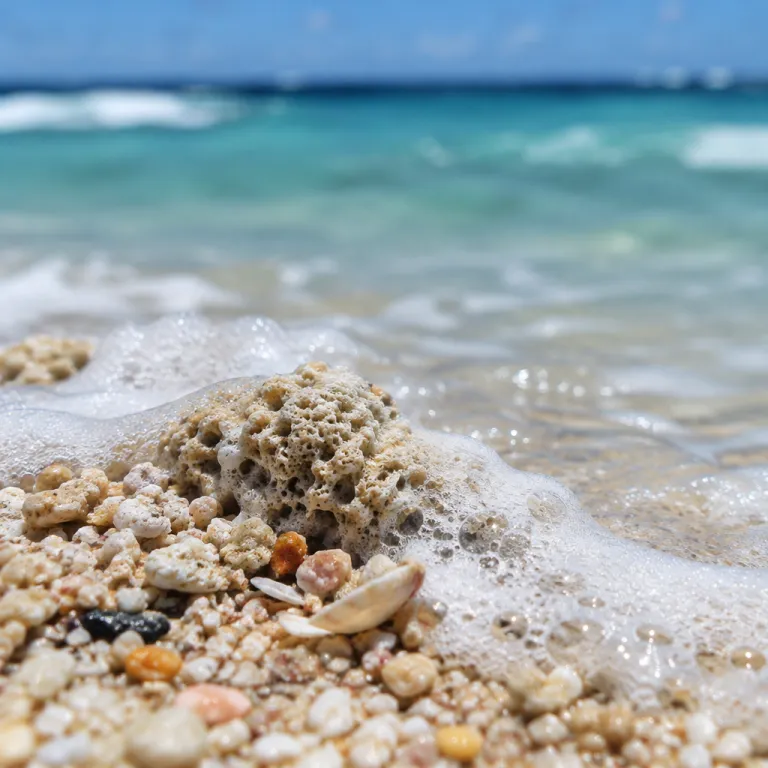
How beach access really works in Punta Cana
Most travelers arrive in Punta Cana expecting every beach to feel open and shared. The reality along this stretch of the Dominican Republic coast is a patchwork of public corridors, resort controlled loungers and long walks on wet sand. Understanding how access works lets you choose the best beaches in Punta Cana for your style of stay.
Legally, every beach in the Dominican Republic is public up to the high tide line, yet resorts in the Punta Cana and Bávaro area manage most entrances, parking and security. You can always walk the beach area itself, but without a room key or day pass you usually cannot use the inclusive facilities, loungers or pools that each resort offers behind the palm line. Think of the shoreline as one continuous playa and the resorts as separate beachfront neighborhoods, each with its own rules and vibe.
On the ground, that means you will find signed public access points at places like El Cortecito, Jellyfish and Bibijagua, while long sections of beach Punta Cana in front of large all inclusive resorts have only guarded gates from the road. If you are staying inland or in another part of the Caribbean, budget for short taxi rides to these public entradas and then walk along the sand to sample different beaches. Before you book, a detailed resort areas comparison map helps you see which hotels sit on the best beaches and which ones require shuttles.
Bávaro, El Cortecito and Macao: three very different shorelines
The classic image of the best beaches in Punta Cana usually comes from Playa Bávaro. Here the sand is pale and fine, the water stays relatively calm behind the offshore reef and long lines of palm trees frame the Caribbean horizon. It is the heart of the Punta Cana resort strip, but each section of this playa has its own character.
Central Playa Bávaro near El Cortecito feels busy and improvised, with small guesthouses squeezed between larger resorts and a real Dominican beach town just behind the shore. You will find local bars, simple seafood shacks and vendors offering everything from parasailing to Saona Island excursions, which can be convenient but also tiring if you prefer quiet. Walk north or south along the beach area and the scene shifts quickly from lively to almost serene, especially early in the morning when only joggers and staff rake the sand.
Macao Beach sits well beyond the main Punta Cana and Bávaro area, and it rewards the extra drive with wilder scenery and stronger surf. This is not the best beach for nervous swimmers or very young family friendly groups, but it is excellent for bodyboarding, surf lessons and long walks on open sand with only a few shacks for fried fish. El Cortecito itself lands somewhere in between, a compact beach Punta with public access, small boats and a mix of locals and travelers that feels more Dominican Republic than resort brochure.
Cap Cana, Playa Blanca and the quieter south coast
South of the main Punta Cana strip, Cap Cana offers a different take on the Caribbean shoreline. The gated community wraps around a series of coves and marinas, with manicured sand and calm turquoise water that suits travelers who value privacy over bustle. Hotels and resorts here tend to be higher end and more inclusive in their services, but the beaches themselves remain part of the same public Dominican coast.
Juanillo Beach in Cap Cana is often mentioned among the best beaches in Punta Cana, and on a quiet weekday it can live up to that reputation. The sand is wide, the water shallow for many metres and the palm trees spaced just enough to create natural shade without blocking the view. Non guests can access certain sections through beach clubs that charge a minimum consumption or day fee, which effectively turns your credit card into a temporary room key for loungers and service.
Closer to the airport, Playa Blanca sits inside the Punta Cana Resort & Club complex and feels almost like a private cove, though it is technically another public playa. Here you will find a compact beach area with a laid back restaurant, kite surfing on windy days and a mix of hotel guests and outside visitors who reserve tables. For travelers who care about eco credentials, several properties in this zone highlight conservation work and lower impact operations, and guides to eco friendly beachfront resorts can help you match your values with your chosen stretch of sand.
Public beaches, local food and getting around without overpaying
Leaving your resort to explore the best beaches in Punta Cana does not need to blow your budget. Shared taxis, pre arranged transfers and even local guaguas on some routes can keep costs down if you are willing to trade a little comfort for savings. The key is to agree on fares in Dominican pesos before you step into any vehicle and to avoid vague promises about changing dates or open ended return trips.
At public access points like El Cortecito, Macao and parts of Playa Bávaro, you will find clusters of simple restaurants serving grilled fish, tostones and cold Presidente beer. These spots are where the Dominican Republic coastline feels most local, with bachata on the speakers and families from nearby towns sharing the same sand as international travelers. Prices are usually posted, but it is still wise to check the menu carefully and clarify whether credit cards are accepted or if cash is king that day.
For day trips, Saona Island often appears on every brochure, yet the experience depends heavily on the operator and the size of the boat. If you want more beach time and less party cruise, ask specific question mark details about group size, departure times and how long you actually spend on the island itself. A practical guide on choosing a hotel for excursions and day trips can help you match your base resort with the kind of off site beach adventures you really want.
Choosing the right beach for your hotel stay
When you look at a map of Punta Cana, the long curve of beaches from Cap Cana through Playa Blanca, Playa Bávaro and up toward Macao can seem interchangeable. On the ground, each beach area has a distinct rhythm, and the best beaches in Punta Cana for you depend on how you like to spend your days. Think less about the number of stars on a resort and more about what you will find when you step off the terrace and onto the sand.
Families usually do best on the calmer sections of Playa Bávaro or inside Cap Cana, where the water stays shallow and many resorts are explicitly family friendly with kids clubs and shaded pools just behind the beach. Couples who want quieter walks might prefer the southern end near Playa Blanca or certain stretches of Cap Cana, trading a little distance from town for softer crowds and more space between loungers. Solo travelers often gravitate toward El Cortecito or central Bávaro, where there is enough movement, beach bars and small guesthouses to feel social without being locked into one all inclusive circuit.
Whatever you choose, remember that beaches Punta Cana share the same public shoreline, so you can always walk further for a different scene. Some sections carry Blue Flag certification for water quality and services, which can reassure cautious swimmers and parents. In the end, the smartest shortcut is not about keyboard shortcuts or any mark key on a booking site ; it is about asking clear questions, reading the fine print and judging a resort by the walk to the water, not just the lobby photos.
FAQ
Which part of Punta Cana has the calmest water for swimming ?
The calmest water usually appears along the more protected sections of Playa Bávaro and inside Cap Cana, where offshore reefs break much of the Atlantic swell. These areas suit cautious swimmers and young children who need gentle waves. Always check local flags and ask lifeguards about conditions on the day you swim.
Can non guests use resort beaches in Punta Cana ?
All beaches in the Dominican Republic are public up to the high tide line, so you can walk along the shore in front of any resort. Access from the road, loungers and pools remain controlled by each property, and many require a day pass or room wristband. If you are not staying on site, use signed public entrances and respect security staff when they indicate private zones.
Is Macao Beach safe for children ?
Macao Beach has stronger waves and a more powerful shore break than most of Playa Bávaro, which makes it popular with surfers but less ideal for small children. Families can still visit for lunch and sand play, yet swimming should be closely supervised and limited to the shallows. For easier conditions, choose a more sheltered beach area near Bávaro or Cap Cana.
How do I reach Saona Island from Punta Cana ?
Trips to Saona Island from Punta Cana usually involve a road transfer to Bayahibe or another port on the south coast, followed by a speedboat or catamaran ride. Many resorts sell packages that bundle transport, food and drinks, but quality varies widely between operators. Look for smaller groups, clear itineraries and recent reviews that mention actual time spent on the island.
What is the best area to stay for a first visit ?
For a first trip, most travelers choose the Bávaro area because it balances long walkable beaches, a wide range of resorts and relatively easy access to excursions. Those who prefer quieter surroundings and are comfortable being slightly more isolated often enjoy Cap Cana or Playa Blanca. If you want a more local feel and do not mind some bustle, El Cortecito offers a compact, lived in slice of the Dominican Republic coast.