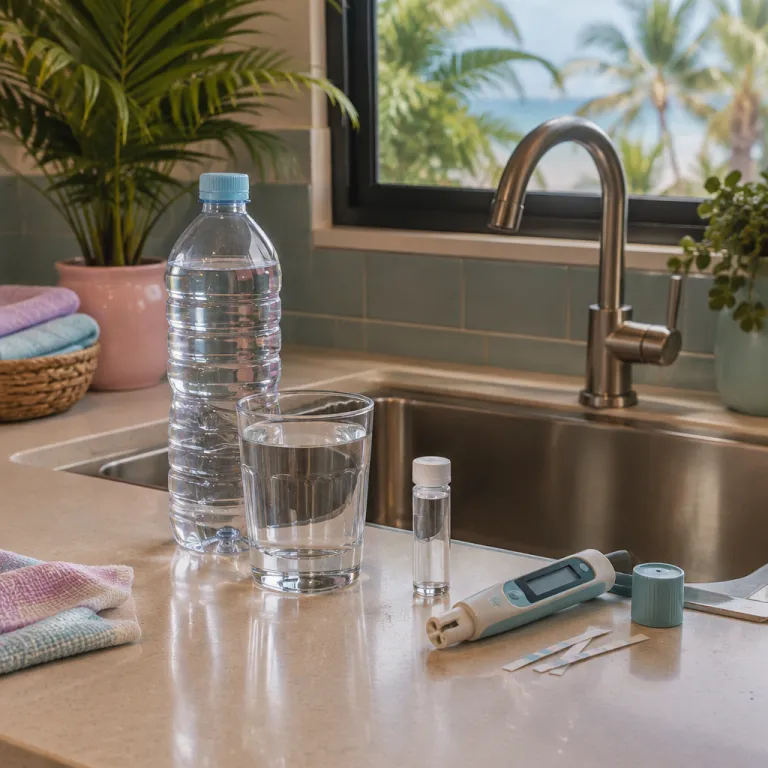
Understanding whether you can drink the water in Punta Cana
Many travelers ask can you drink the water in Punta Cana before booking. The short answer is that tap water in this part of the Dominican Republic is not considered safe for direct drinking, even inside high end resorts. You will rely mainly on bottled water or resort purified water stations for your daily hydration, a recommendation echoed by the U.S. Centers for Disease Control and Prevention (CDC) for most Caribbean destinations.
The public water dominican system in Punta Cana is treated at source, yet water quality can change as it moves through local pipes and building tanks. This means tap water may pick up microorganisms that create health risks for visitors with less exposure. For travel safety focused guests, drinking water should always come from sealed bottled water or clearly labeled purified water dispensers, in line with guidance from international travel clinics and the World Health Organization (WHO) on short term stays in countries with variable distribution systems.
Hotels and large resorts in Punta Cana understand how central water safety is to guest experience. Most properties provide complimentary bottled water in rooms and use purified water for bar service, including ice cubes in cocktails. For example, many all inclusive brands in Bávaro and Cap Cana describe their reverse osmosis or multi stage filtration systems in pre arrival emails and guest directories. When you plan your day trip schedule, factor in how and where you will refill a reusable bottle with filtered water so you never feel pressured to drink from the tap.
Tap water, ice, and brushing teeth in Punta Cana hotels
When you check in, ask reception directly about tap water and ice safety in your specific resort. Official guidance for Punta Cana is clear : “Is the tap water safe to drink in Punta Cana resorts? No; only bottled or property’s purified drinking water recommended.” This aligns with CDC travel health advice for the Dominican Republic and applies whether you stay in a large all inclusive complex or a smaller independent hotel near the beach.
Bar and restaurant teams usually prepare ice cubes using purified water systems, so resort ice is generally considered safe. Instead of relying on vague assurances, ask staff whether their ice comes from the same filtered network used for bar drinks and buffet beverages. If you step outside the resort into a local bar in another part of the Dominican Republic, ask whether their ice comes from purified water before you drink water based cocktails, frozen drinks, or smoothies.
Many travelers wonder about brushing teeth with tap water in Punta Cana bathrooms. Health professionals often say that limited contact is acceptable, yet sensitive stomachs should still be cautious. The expert guidance notes : “Can you use tap water for brushing teeth? Usually ok, avoid swallowing it if stomach is sensitive.” If you want to be extra careful, follow the approach recommended by many travel doctors and use bottled water for both rinsing and brushing, especially for children.
Food quality and water safety are closely linked in any coastal destination. When you explore where Punta Cana’s food actually gets good beyond the main buffet areas, rely on venues that clearly use bottled water or filtered water in their kitchens and for washing produce. A helpful starting point is this guide to where food in Punta Cana truly shines beyond the buffet, which pairs culinary exploration with sensible water safety habits and practical examples of how restaurants handle ice, salads, and fresh juices.
How neighborhood choice in Punta Cana shapes your water experience
Where you stay in Punta Cana strongly influences how you manage drinking water each day. Large beachfront resorts in Bávaro, Arena Gorda, and Cabeza de Toro usually have robust purified water systems and clear signage, which makes it easier to drink water safely without overthinking every glass. Smaller guesthouses closer to local neighborhoods may rely more on delivered bottled water, so you must check how often stocks are refreshed and whether communal dispensers are regularly sanitized.
When you compare areas such as Bávaro, Uvero Alto, and Cap Cana, think beyond scenery and nightlife to include water safety infrastructure. Some newer developments in Cap Cana promote advanced filtered water technology and in room dispensers, while older buildings in central Bávaro might depend more heavily on bottled water deliveries and traditional storage tanks. In every case, you should still avoid drinking tap water directly, because even good source treatment cannot fully guarantee distribution safety once water passes through aging pipes or rooftop cisterns.
Travelers who want deeper immersion in Dominican Republic culture often split their time between Punta Cana and Santo Domingo. The capital city offers rich history and local food, yet the same rule applies : tap water is not considered safe for visitors to drink, a point repeated in many national Ministry of Public Health advisories and embassy travel notes. To understand how lifestyle patterns across the Dominican Republic influence where to stay and how you access safe water, review this analysis of how lifestyle in the Dominican Republic shapes where to stay in Punta Cana before finalizing your booking.
Planning day trips and adventures around Punta Cana with safe water
Once you leave your resort for a day trip, you become personally responsible for your own water safety. Excursions to Saona Island, Macao Beach, or inland adventure parks often involve heat, humidity, and physical activity, which increase your need to drink water regularly. Always carry enough bottled water for the full outing, then add one extra bottle per person as a buffer, following the same conservative approach recommended by many tour operators and travel medicine clinics.
Reputable tour operators in Punta Cana and across the eastern Dominican Republic usually provide large jugs of purified water on their vehicles or boats. Even so, you should check that containers are sealed, that taps are kept clean, and ask whether they use certified filtered water systems or commercially delivered garrafones. Avoid refilling your bottle from any local tap, river, or beach shower, because these sources are not considered safe for drinking water, even if they look clear or are used by some residents for non drinking purposes.
When your adventure includes meals in rural areas, confirm that drinks use bottled water or purified water and that ice cubes come from a safe source. If you have a sensitive stomach or a history of travel related health risks, consider bringing a compact personal filter or UV purifier from well known brands such as LifeStraw or SteriPEN for extra reassurance. This does not make all tap water in Punta Cana safe to drink, yet it can reduce risks if you accidentally ingest small amounts while brushing teeth, rinsing fruit, or showering.
Seasonality, climate, and what they mean for water safety
Weather patterns in Punta Cana influence how you think about hydration, though they do not change the basic rule about tap water. Hotter and more humid months push you to drink water more frequently, which makes reliable access to bottled water and purified water even more important. When you plan your travel dates, consider both beach conditions and how easily you can manage safe drinking water during long days outdoors, especially if you are prone to heat exhaustion.
Heavy rain can affect local water quality by increasing runoff and pressure on municipal systems in the Dominican Republic. This does not usually impact the closed loop purified water systems inside major resorts, yet it reinforces why you should never drink tap water directly in Punta Cana. Travelers who venture into local neighborhoods after storms should be especially careful with street drinks, ice cubes, and any offer to drink water from household taps, because temporary contamination events are more likely during and after flooding.
Choosing the right travel window can help you balance comfort, beach enjoyment, and hydration needs. A practical resource is this guide to planning around Punta Cana’s wettest periods for a flawless beachfront stay, which pairs rainfall patterns with on the ground advice. Use that information to estimate how much bottled water you will need for pool days, excursions, and evening walks through local areas, and to decide whether to pack electrolyte tablets or oral rehydration salts.
Practical hotel checklist for water safety in Punta Cana
Before you confirm a hotel in Punta Cana, review how the property manages water safety. Look for clear statements about purified water systems, complimentary bottled water in rooms, and whether restaurants use filtered water for cooking and ice cubes. Properties that treat water safety as part of overall travel safety usually communicate these details openly in their guest information, sustainability reports, or FAQ pages.
On arrival, ask a few precise questions at reception or via your concierge. Clarify whether you can drink tap water anywhere on site, which bars use purified water for ice, and where you can refill a reusable bottle safely. Many resorts now install filtered water stations in gym areas or near pool bars, which helps reduce plastic waste while still protecting guest health, and some even label them with testing dates or maintenance logs.
Inside your room, use bottled water for drinking and, if you are cautious, for brushing teeth as well. Avoid filling glasses from the bathroom tap, even if the water punta stream looks clear and tastes neutral. If housekeeping forgets to restock bottled water, request more immediately rather than being tempted to drink tap water late at night, and consider boiling water in the room kettle for several minutes if you ever need an emergency backup for making tea or instant meals.
Local etiquette, health awareness, and respecting the Dominican Republic context
Understanding why locals sometimes drink tap water while visitors are advised not to can prevent confusion. Residents of Punta Cana and other parts of the Dominican Republic grow up with gradual exposure to local water quality, which shapes their immune response over time. Travelers arrive without that adaptation, so the same glass of water can carry very different health risks, a pattern frequently mentioned in WHO materials on traveler’s diarrhea and short term stays.
When you talk with local staff about water dominican habits, frame your questions respectfully. Many employees in resorts and restaurants already know that international guests should drink water only from bottled or purified sources, and they often take pride in explaining their safety procedures, such as daily ice machine cleaning or regular microbiological testing. This shared focus on water safety builds trust and enhances your overall travel experience while acknowledging the expertise of people who live and work in Punta Cana year round.
Responsible visitors also think about the environmental impact of heavy bottled water use. Whenever your resort offers safe filtered water stations, refill a durable bottle instead of requesting multiple small plastic bottles each day. This approach keeps your health protected while showing consideration for the coastal ecosystems that make Punta Cana such an appealing place to stay, and it aligns with sustainability goals promoted by many Dominican tourism and hospitality associations.
Key figures and statistics about water safety in Punta Cana
- The urban population in the Dominican Republic has an estimated 86 percent access to improved water sources, according to data referenced from Wikipedia on national water supply and based on United Nations and WHO/UNICEF Joint Monitoring Programme figures, yet this percentage reflects infrastructure coverage rather than guaranteed drinking water safety for travelers.
- Resorts in Punta Cana increasingly use reverse osmosis purification systems for their internal water networks, a trend driven by guest expectations for high water quality and by global travel safety standards in coastal destinations, including recommendations from the World Tourism Organization on risk management.
- Travel health advisories for the Dominican Republic consistently recommend bottled water or properly purified water for drinking, which aligns with local hotel practices that discourage guests from drinking tap water directly and with CDC Yellow Book guidance on food and water precautions.
- Most large resorts in Punta Cana now provide complimentary bottled water in guest rooms and public areas, a policy that significantly reduces the incidence of traveler’s diarrhea and other water related illnesses among international visitors, according to internal hotel health reports and feedback collected by tour operators.
FAQ about drinking water in Punta Cana hotels
Can you drink the tap water in Punta Cana resorts ?
No, you should not drink tap water in Punta Cana resorts, even if the property is upscale. Use bottled water or clearly labeled purified water stations for all drinking water. This simple rule greatly reduces health risks during your stay and mirrors the advice given by most travel medicine specialists for the Dominican Republic.
Is ice safe in drinks at Punta Cana hotels ?
In established resorts, ice cubes are usually made from purified water and are considered safe for guests. Bars and restaurants inside these properties follow internal water safety protocols, often including regular microbiological testing and equipment cleaning schedules. Outside resorts, always ask how the ice was produced before ordering cold drinks, and choose beverages without ice if the answer is unclear.
Should I use bottled water for brushing teeth in Punta Cana ?
Many travelers choose bottled water for brushing teeth to minimize any chance of stomach upset. Brief contact with tap water is often tolerated, yet swallowing even small amounts can cause problems for sensitive visitors. Using bottled or filtered water at the sink offers extra peace of mind, especially for children, pregnant travelers, or anyone with a history of digestive issues.
What is the safest way to stay hydrated on day trips from Punta Cana ?
Carry enough sealed bottled water for the full excursion and one spare bottle per person. Confirm that your tour operator provides purified water and that any refills come from safe containers or reputable brands. Avoid drinking from taps, natural streams, or beach showers during your adventure, and consider packing electrolyte powders to mix with safe water on very hot days.
Do locals in the Dominican Republic drink the same water as tourists ?
Many local residents drink tap water because their bodies have adapted gradually to local water quality. Visitors do not share this long term exposure, so they face higher health risks from the same source. For that reason, tourists should always rely on bottled water or properly purified water while in Punta Cana, even if they see neighbors or staff using tap water for everyday household needs.