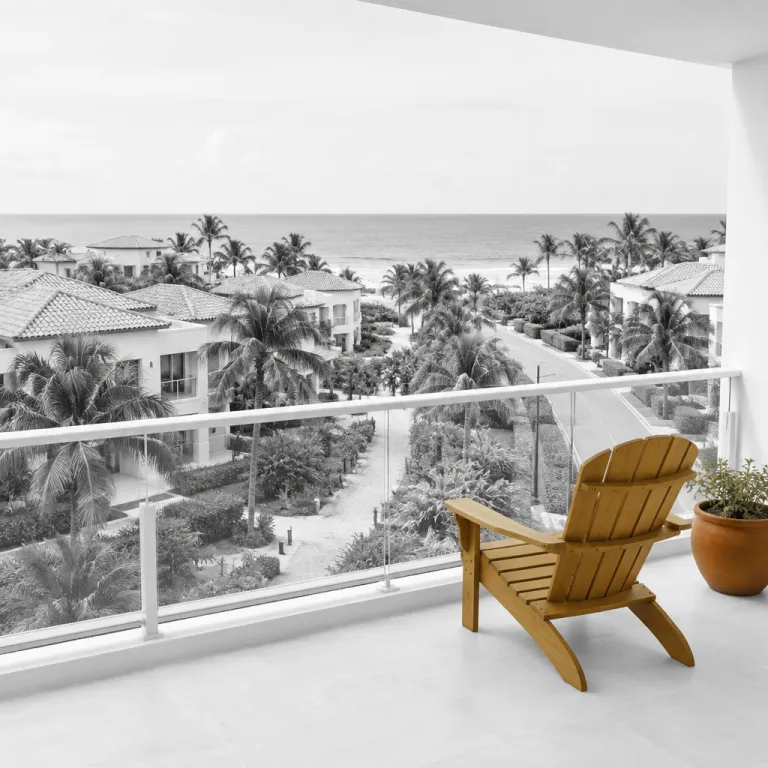
Punta Cana’s coastal zones and how they relate to apartments for sale in the Dominican Republic
Punta Cana stretches along more than 30 km of white sand beach, and each coastal zone offers a different atmosphere for hotel guests and for anyone evaluating apartments for sale in the Dominican Republic. The Bávaro strip feels lively and social, with large resorts, a long public beach, and nearby real estate where a one bedroom apartment or larger condo can sit only a few minutes’ walk from the water, often priced in USD and marketed as a flexible option for both holidays and long stays. Farther south, Cap Cana presents a quieter, master planned environment where every condo and apartment purchase is framed by a marina, golf courses, and a carefully controlled view of the Caribbean Sea.
When you book a hotel in Bávaro, you usually stay close to mixed use areas where apartments, condos, and small commercial plazas coexist with all inclusive resorts, which makes it easier to walk out and observe details of daily life in the Dominican Republic. Guests who enjoy exploring often ask local agents about real estate while they are still on holiday, comparing a compact one bedroom unit with a larger two bedroom property that might later serve as a winter base. In these zones, you will see signs advertising Dominican properties for sale in both Spanish and English, with agents ready to provide detailed information about each condo, explain the difference between condominium projects and individual apartment listings, and clarify how the type of building affects maintenance fees.
Cap Cana sits within the same Altagracia Province as Punta Cana, yet the feeling is very different, and that contrast matters when you are choosing both a hotel and evaluating residential property in the Dominican Republic. Hotels in Cap Cana tend to be more secluded, with private beach clubs, a calm marina, and residential enclaves where luxury condos and villas dominate the real estate landscape, often marketed to international buyers in USD with strong emphasis on security and amenities. If you stay there, you will quickly notice how every bedroom, every condo building, and every shared pool is integrated into a master plan that prioritizes privacy, golf, and a serene ocean view rather than the bustling energy of central Punta Cana.
Staying in Bávaro and El Cortecito – what hotel guests should know about nearby residential areas
Bávaro and El Cortecito form the most walkable heart of Punta Cana, and this is where many hotel guests first encounter the idea of buying an apartment in the Dominican Republic while strolling between cafés and the beach. Behind the beachfront resorts, you will find streets lined with low rise condos, each with its own pool, security gate, and a mix of long term residents and short term visitors who rent a bedroom apartment for several weeks. When you leave your hotel to explore, you may notice real estate offices advertising a range of property options, from compact studio units to larger condo opportunities with two or three bedroom layouts.
Public transport in this area is straightforward, and that matters for both hotel guests and future owners of any apartment. Shared minibuses and local taxis connect Bávaro with Verón, Punta Cana Village, and even the road toward Higüey in La Altagracia, which helps you understand commuting times if you ever decide to live here beyond a holiday. To plan your movements efficiently from your resort, it is worth reading a dedicated guide on Punta Cana public transportation options from your resort, then comparing what you experience on the ground with what local real estate agents tell you about access to schools, clinics, and shopping from different condos and apartments.
In Bávaro and El Cortecito, prices for a one bedroom apartment or small condo are often lower than in Cap Cana, yet the lifestyle is more vibrant, and that trade off is important when you are both booking a hotel and quietly assessing Dominican coastal property. As a concrete illustration, a furnished one bedroom unit of around 55–65 m² in a 2024 Bávaro development such as Costa Bávaro or Los Corales might be listed in the low US$130,000–US$160,000 range, while a similarly sized apartment in a Cap Cana project like Ciudad Las Canas or Marina Garden can be advertised above US$220,000 in the same year, depending on view and amenities. You might stay in a beachfront resort with a sweeping ocean view, then walk two streets inland and see a modest listing where the pool is smaller but the atmosphere feels more local and relaxed, which helps you compare lifestyle and value in real time.
Punta Cana Village and Downtown – urban comfort near the airport
Not every visitor wants to stay directly on the beach, and Punta Cana Village or the Downtown area near the airport offer a more urban experience that still connects naturally with residential investment opportunities in the Dominican Republic. Hotels here sit close to shopping centers, international schools, and office buildings, and the surrounding real estate is dominated by modern condos and apartment blocks designed for residents who work in tourism or aviation. When you walk these streets, you see one and two bedroom units above cafés, small parks, and gyms, which gives you a clear sense of how a property that feels anonymous from afar can actually support a comfortable daily routine.
Nightlife in this zone is more structured than in the scattered bars of Bávaro, and that affects both where you might book a hotel and how you evaluate long term property options. Many visitors choose to stay near Downtown when they want easy access to restaurants, clubs, and shopping, then later compare this experience with more resort oriented areas using a specialized guide on where to stay in Punta Cana for nightlife. As you move between venues, you will notice how for sale advertisements highlight walking distance to supermarkets, schools, and medical centers, which matters if you ever decide to convert a holiday apartment into a full time home.
From a real estate perspective, Punta Cana Village and Downtown often attract buyers who prioritize practicality over a direct beach view, and that same logic can guide your hotel choice if you prefer shorter transfers and quieter nights. Properties here are usually priced in USD, with a clear breakdown of maintenance fees, parking spaces, and pool access, and agents are accustomed to explaining every bedroom configuration in detail. When you request information about any listing, ask for specifics on noise levels, traffic at peak hours, and future development plans, because these factors will shape both your experience as a hotel guest and your long term satisfaction if you eventually join the growing community of owners who have invested in Dominican apartments and condos.
How Punta Cana compares with other Dominican coastal towns for lifestyle and property
Staying in Punta Cana gives you a polished resort experience, yet many hotel guests eventually compare it with other coastal towns before deciding whether Dominican real estate suits their long term plans. On the north coast, Sosúa and Cabarete in Puerto Plata Province offer a different rhythm, with smaller hotels, surf schools, and a more visible community of expatriates who rent or own condos close to the beach. If you ever travel from Punta Cana to Sosúa in Puerto Plata, you will notice how the coastline feels more rugged, the nightlife more concentrated, and the housing market more oriented toward active sports and long stays.
Cabarete is famous for kitesurfing, and that reputation shapes both hotel design and the layout of every nearby condo and apartment. Many one and two bedroom units sit just behind the main beach road, where residents can carry boards to the water in minutes, and property descriptions often highlight storage space for sports equipment alongside the usual pool and parking details. Compared with Punta Cana, where resorts dominate the first line of sand, the north coast allows more direct integration between apartments, small hotels, and the beach, which can appeal to buyers who want a more informal environment when they evaluate coastal homes in the Dominican Republic.
Puerto Plata city itself, often referred to as Puerto Plata Dominican in travel brochures, combines a historic center with long stretches of coastline, and hotel guests there see a broader mix of property options than in the more homogeneous resort corridors of Punta Cana. In this region, you will find everything from compact one bedroom apartments in restored townhouses to modern condo developments along the Malecón, each priced in USD but with different maintenance structures and rental potential. If you are staying in Punta Cana and considering a wider search, it can be useful to request information from agencies that operate in both Punta Cana and Puerto Plata, ask them to send detailed descriptions of comparable listings, and then decide which coastal lifestyle aligns best with the way you like to travel and live.
From hotel guest to informed buyer – reading Punta Cana’s neighborhoods through daily life
Booking a hotel in Punta Cana is often the first step toward understanding how Dominican apartments and condos function in real life, because your surroundings reveal far more than any brochure. When you walk from your resort to nearby shops, notice whether the sidewalks are shaded, how far the nearest supermarket is, and whether you pass residential buildings or only other hotels, since this mix indicates how balanced the neighborhood will feel if you ever move into a one bedroom unit there. Pay attention to the pool areas in both hotels and residential complexes, because the way people use these shared spaces tells you a lot about community habits, noise levels, and the unwritten rules that shape daily life.
Many visitors start by asking their hotel concierge about local areas, then quietly schedule meetings with real estate agents who specialize in Punta Cana, Cap Cana, and the wider Altagracia Province. These professionals can explain how categories differ between a resort style condo and a more traditional apartment, why some listings emphasize short term rental potential, and how the number of bedrooms influences both comfort and resale value. When you request information, insist on seeing photos and videos of the surrounding streets, not just the interior of the property, because proximity to schools, clinics, and public transport will matter as much as a beautiful beach view once the novelty of a new purchase has faded.
To deepen your understanding of local culture beyond the resort gates, consider joining excursions that focus on everyday Dominican life rather than only on beaches or theme parks. A specialized guide to Punta Cana cultural tours and authentic experiences can help you choose visits to nearby towns, markets, or sugar cane fields, where you will see how people live away from the tourist zones. This broader perspective is essential when you evaluate property in the Dominican Republic, because it helps you decide whether you prefer the polished environment of Punta Cana and Cap Cana, the more urban feel of Santo Domingo, or the relaxed pace of smaller coastal communities like Las Terrenas or Sosúa in Puerto Plata.
Looking beyond Punta Cana – how Santo Domingo, Las Terrenas, Sosúa, and Cabarete influence your decision
While Punta Cana remains the most popular destination for hotel stays, many travelers who start here eventually explore other parts of the Dominican Republic before committing to any purchase. Santo Domingo, the capital, offers a dense urban environment with historic architecture, where bedroom apartments in the Colonial Zone or modern condos along the Malecón attract professionals who value culture, restaurants, and nightlife over a constant beach view. If you stay in a hotel there for a few nights, you will quickly see how options range from compact studios to large multi bedroom apartments, each with different noise levels, parking arrangements, and security features.
On the Samaná Peninsula, Las Terrenas combines French and Italian influences with Dominican traditions, and the town’s hotels sit close to low rise condos and villas that line the beach road. Visitors who first experienced Punta Cana’s large resorts often find Las Terrenas more intimate, with smaller pools, narrower streets, and a stronger sense of community among residents who own homes or long term rental properties. Real estate agents here will show you listings where the emphasis is on walking distance to the beach, sea breeze, and a relaxed lifestyle, rather than on large scale amenities or gated master plans.
Returning to the north coast, Sosúa and Cabarete in Puerto Plata Province remain important reference points for anyone comparing coastal lifestyles before choosing a property. In Sosúa, you will find condominium communities that cater to long term expatriates, with shared pools, garden areas, and a mix of USD and local currency pricing, while Cabarete focuses more on sports oriented buyers who want quick access to the beach and consistent wind conditions. By staying in hotels across these regions and requesting information from multiple agencies, you can gather detailed notes on how each market handles maintenance fees, rental management, and community rules, then decide whether your future lies in Punta Cana’s resort corridor, Cap Cana’s marina, Santo Domingo’s urban core, Las Terrenas’ laid back coastline, or the active shores of Puerto Plata Dominican communities.
Understanding prices, currency, and practicalities when you are still just a hotel guest
Even if you are only booking a hotel in Punta Cana today, it is wise to understand how pricing works for residential property in the Dominican Republic, because you will see signs and advertisements everywhere during your stay. Most real estate listings quote prices in USD, whether you are looking at a modest one bedroom apartment in Bávaro, a luxury condo in Cap Cana, or a compact unit in Santo Domingo, and agents will usually provide a clear breakdown of closing costs, taxes, and monthly maintenance fees. When you request information, ask for written explanations of every fee, then compare those details across different types of buildings, because a low purchase price can be offset by high ongoing expenses.
Location within the Dominican Republic also affects value, and your hotel choices can help you sense these differences before you ever schedule a viewing. A beachfront condo in Punta Cana or Cap Cana will usually command a higher price than a similar apartment in Higüey or inland towns, yet the rental potential and resale demand may justify that premium if you plan to use the property part of the year and rent it out the rest. In contrast, apartments in Puerto Plata areas, Las Terrenas, or Sosúa might offer more space for the same USD budget, especially in developments that are a short walk rather than directly on the beach.
As you move between hotel, beach, and excursions, treat every neighborhood as a live case study in how Dominican housing markets function day to day. Notice whether residential complexes feel occupied or half empty, whether the pool areas are well maintained, and whether you see families, retirees, or short term visitors using the shared spaces, because this mix will influence your own comfort if you eventually buy. When you are ready to speak with professionals, choose established real estate agencies with a track record in Punta Cana, Cap Cana, Santo Domingo, and other key markets, then request information on several options, compare the details carefully, and only then decide whether the lifestyle you experienced as a hotel guest truly aligns with owning property in this diverse and dynamic country.
Key figures on tourism, hotels, and residential property in Punta Cana and beyond
- According to the Dominican Ministry of Tourism, the country welcomed more than 7 million international visitors in 2023, and Punta Cana International Airport handled the largest share of arrivals, which directly supports demand for both hotels and residential property across coastal regions. This figure is based on official arrival statistics published by the Ministry in early 2024.
- Tourism contributes close to one fifth of the Dominican Republic’s gross domestic product when direct and indirect effects are combined, based on estimates from the Central Bank of the Dominican Republic and the World Travel & Tourism Council for 2022–2023, and this sustained activity underpins real estate investment in Punta Cana, Cap Cana, Puerto Plata, Las Terrenas, and Santo Domingo.
- Average hotel occupancy in Punta Cana often exceeds 70 percent during high season according to data regularly cited by the Asociación de Hoteles y Turismo de la República Dominicana (Asonahores) in its 2022 and 2023 reports, which encourages developers to build new condo and apartment complexes near established resort corridors.
- In many Punta Cana neighborhoods, entry level one bedroom units in residential condos could start around the low six figures in USD as of 2024, while luxury beachfront apartments in Cap Cana or prime Bávaro locations can reach several times that amount depending on size, view, and amenities, so buyers should always confirm current pricing with local agents.
- North coast markets such as Sosúa, Cabarete, and Puerto Plata typically offer a lower price per square metre than Punta Cana, which attracts buyers who compare multiple Dominican coastal properties before deciding whether to prioritize budget, beach proximity, or resort style services, using recent market reports and on the ground visits to verify conditions.
FAQ about Punta Cana neighborhoods and apartments for sale in the Dominican Republic
Which Punta Cana neighborhood is best if I want to explore real estate while staying in a hotel ?
Bávaro and El Cortecito are ideal if you want to combine a hotel stay with easy access to real estate offices and residential streets. You can walk from many resorts to nearby condos and apartments, speak with agents about properties for sale in the Dominican Republic, and quickly understand how a typical one bedroom or two bedroom condo fits into the local environment. This area offers a good balance between beach access, services, and visible property options.
How does Cap Cana differ from central Punta Cana for hotels and property ?
Cap Cana is a gated, master planned community south of the main Punta Cana hotel zone, with a marina, golf courses, and a strong focus on privacy and security. Hotels here tend to be more secluded, and the surrounding real estate is dominated by upscale condos, villas, and larger multi bedroom apartments, often marketed in USD with resort style amenities. Central Punta Cana and Bávaro feel livelier and more integrated with local commerce, while Cap Cana emphasizes exclusivity and controlled access.
Is it better to stay on the beach or inland if I am considering buying an apartment ?
Staying on the beach helps you understand the resort lifestyle and the value of a direct sea view, but inland hotels in Punta Cana Village or Downtown reveal how daily life works away from the sand. Beachfront areas usually command higher prices for Dominican coastal apartments, especially for condos with a clear ocean view and large pool areas. Inland neighborhoods often offer more space for the same budget and easier access to schools, offices, and services.
How do Punta Cana prices compare with places like Sosúa, Cabarete, or Las Terrenas ?
Punta Cana and Cap Cana generally sit at the higher end of the market, particularly for beachfront condos and luxury units in resort style complexes. North coast towns such as Sosúa, Cabarete, and Puerto Plata, as well as Las Terrenas on the Samaná Peninsula, often offer lower prices per square metre and a more informal atmosphere. Many buyers visit several regions while staying in different hotels, then compare detailed information and request written breakdowns from agents before choosing where to focus their search.
Can I rely on what I see during a short hotel stay to decide on a property purchase ?
A short hotel stay is an excellent starting point, because it lets you experience traffic, noise, services, and the general feel of each neighborhood at different times of day. However, before committing to any apartment or condo, you should return for a longer visit, tour multiple properties with reputable real estate agents, and request clear explanations of legal, financial, and maintenance aspects. Combining your hotel impressions with professional guidance will give you a more reliable basis for investing in apartments for sale in the Dominican Republic.