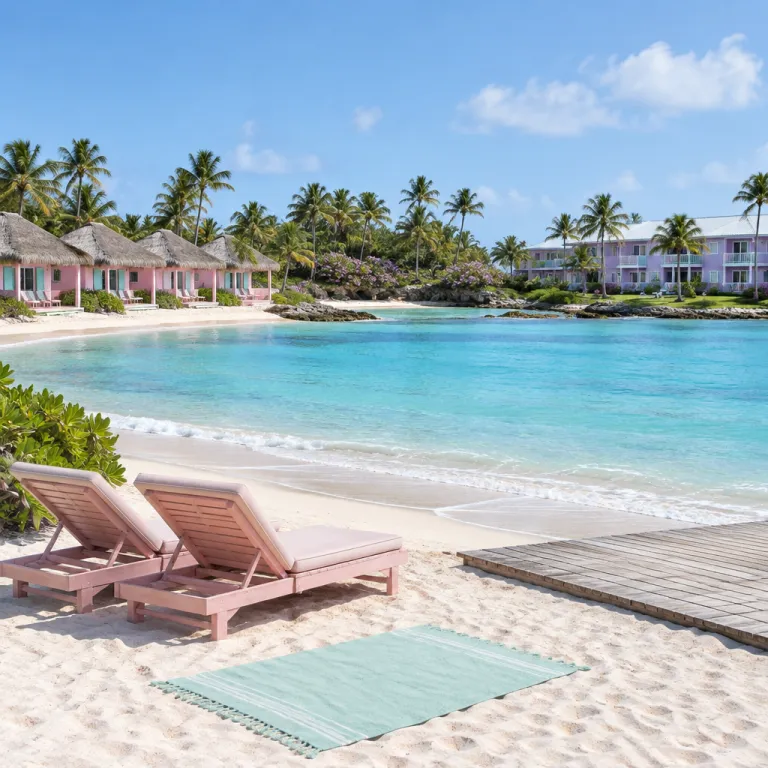
How this punta cana travel guide helps you choose the right area
Punta Cana stretches along more than 30 kilometres of Caribbean coastline, and each part of Punta Cana offers a different style of stay. This punta cana travel guide focuses on where to book your hotel so you can match the right beach, the right resort atmosphere, and the right budget to your expectations. When you understand how each neighbourhood in the Dominican Republic shapes your day, your trip becomes calmer, easier, and far more rewarding.
The Punta Cana Tourism Board describes the region as a travel destination designed to provide relaxation, water activities, and access to Dominican culture and cuisine, and that is exactly what you will feel from the moment you leave the international airport. This travel guide breaks down the main coastal zones of Punta Cana — from Bávaro to Cap Cana and Uvero Alto — and explains which hotels and inclusive resort options suit couples, families, or groups of friends. You will see how the best time to stay in Punta Cana varies by area, because wind, waves, and even the colour of the white sand beaches change subtly along this part of the Dominican Republic.
Most visitors arrive at Punta Cana International Airport, often called Punta Cana International by airlines, and reach their hotel within 20 to 40 minutes. That short transfer time means you can choose your resort based on the character of the beach and the things you want to do in Punta Cana, rather than on distance alone. Whether you prefer calm water for swimming, long sand beaches for walking, or quick access to excursions like Saona Island or Montaña Redonda, this punta cana travel guide will help you pinpoint the right stretch of coast.
Bávaro and central Punta Cana: classic sand beaches and all inclusive ease
The Bávaro area is the heart of Punta Cana, with long white sand beaches lined by palm trees and a dense concentration of hotels. If you imagine a classic Caribbean postcard with turquoise water, soft sand beaches, and an inclusive resort behind the palms, you are probably picturing this part of Punta Cana in the Dominican Republic. For many travellers, this is the best place to stay in Punta Cana when they want a simple, no-car-needed holiday where every day revolves around the beach.
Most large resort brands are present here, offering both standard and premium all inclusive options, and this punta cana travel guide recommends Bávaro for first-time visitors who want convenience above all. You will find a wide range of hotels, from family focused properties with water parks to adults only sections that feel more serene, and many of these resorts organise day trips to Saona Island or Montaña Redonda directly from their tour desks. Representative choices include budget-friendly options such as whala!bávaro, midrange properties like Occidental Caribe, and luxury stays at Barceló Bávaro Palace. Because the area sits roughly midway along the coast, transfer times from the international airport remain short, and taxis or resort shuttles will usually reach your hotel in less than half an hour.
The sea conditions in central Punta Cana are generally gentle, with protective reefs keeping the water relatively calm for swimming and paddle sports. That said, sargassum seaweed can affect some beaches at certain times, especially from roughly April to September according to regional tourism and environmental reports, so the best time to book a hotel here is often during the drier months when currents are more predictable and the water feels clearer. If you value being able to walk for kilometres along continuous sand beaches, this zone of Punta Cana offers some of the longest uninterrupted stretches in the Dominican Republic.
Cap Cana: upscale calm near the airport and golf courses
Cap Cana lies to the south of the main Punta Cana strip, closer to the airport and tucked into a more sheltered corner of the Caribbean coast. This gated community is ideal for travellers who want a quieter resort environment, refined hotels, and easy access to golf courses and a modern marina. If your punta cana travel guide priorities include privacy, attentive service, and shorter transfers, Cap Cana deserves serious consideration.
The beaches in Cap Cana are narrower than in Bávaro but still offer soft white sand and calm water, especially around Juanillo Beach where the sea often feels like a shallow turquoise pool. Many properties here operate as high end inclusive resort options, though you will also find traditional hotel formats with à la carte dining and more flexible meal plans. Example hotels range from budget-conscious stays such as Green Village Condos to midrange options like Ancora Cap Cana and luxury resorts including Sanctuary Cap Cana. Because Cap Cana sits only about 15 minutes from Punta Cana International Airport, your travel time from plane to room can be remarkably short, which is a strong advantage for a long weekend trip or a quick escape from Santo Domingo.
Cap Cana works particularly well for couples and golfers who want to balance beach time with activities such as yachting, deep sea fishing, or rounds on championship courses. Families who prefer a quieter atmosphere than central Punta Cana resorts may also appreciate the controlled access and lower density of hotels. When you stay in Punta Cana in this area, you sacrifice some of the long sand beaches of Bávaro but gain a sense of seclusion that many guests consider the best trade off in the region.
Uvero Alto and the northern coast: wilder beaches and space to breathe
Uvero Alto sits on the northern stretch of the Punta Cana coastline, where the Atlantic influence becomes more visible in the waves and wind. This area appeals to travellers who like a slightly wilder beach, with rolling surf, golden to white sand, and fewer crowds than the central resort zone. If your ideal punta cana travel guide includes space to walk, listen to the ocean, and feel a stronger sense of nature, Uvero Alto is a compelling choice.
Resorts in Uvero Alto tend to be more spread out, with generous beachfronts and a mix of family friendly and adults oriented inclusive resort properties. Because the water can be rougher here, many hotels build impressive pool complexes and lazy rivers, ensuring that every day still offers relaxed swimming even when the sea is choppy. Typical examples include budget hotels such as Sirenis Punta Cana, midrange options like Ocean El Faro, and luxury choices such as Excellence El Carmen. Transfer time from Punta Cana International Airport is longer than to Bávaro or Cap Cana, often around 45 to 60 minutes depending on traffic, but many guests feel the quieter atmosphere and open sand beaches justify the extra drive.
For travellers planning a trip that combines beach time with excursions, Uvero Alto remains well connected to popular activities such as Montaña Redonda, zip line parks, and countryside tours into the Dominican Republic interior. You will find that tour operators can arrange day trips to Saona Island as well, though departure times may be earlier due to the distance to the embarkation points. When you stay in Punta Cana in Uvero Alto, you trade some convenience for a more tranquil setting, which can be the best decision if you value peace over nightlife.
Beyond the resort: santo domingo, saona island and montaña redonda
Many visitors arrive in Punta Cana intending never to leave their resort, yet the wider Dominican Republic offers memorable day trips that enrich any stay. A well balanced punta cana travel guide should always highlight at least three key excursions that show different faces of the country beyond the beach. For most guests, those are the capital city Santo Domingo, the protected paradise of Saona Island, and the panoramic viewpoint of Montaña Redonda.
Santo Domingo lies several hours by road from Punta Cana, but organised tours handle the logistics and allow you to explore the colonial zone, museums, and vibrant Dominican street life in a single long day. Saona Island, reached by speedboat and catamaran from the south coast, showcases some of the most pristine white sand beaches and clear water in the Caribbean, and many inclusive resort packages in Punta Cana already feature this excursion as a highlight. Montaña Redonda, closer to the Punta Cana area, offers sweeping views over lagoons, hills, and the coastline, and its famous swings and hammocks suspended over the landscape have become a favourite stop for photography during any trip.
When planning your time to visit these attractions, consider the best time of day for each experience, because light and heat can change how you feel about the journey. Early departures from your hotel help you avoid midday temperatures, especially when travelling inland away from the sea breeze. By combining one cultural outing to Santo Domingo, one nature focused visit from Punta Cana to Saona Island, and one scenic stop at Montaña Redonda, you will return to your resort with a deeper sense of the Dominican Republic beyond the sand beaches.
Practical planning: best time to go, safety and choosing your hotel
The climate in Punta Cana is tropical, with warm temperatures around 27 °C on average and a clear distinction between drier and wetter months. According to the Dominican Republic Ministry of Tourism and the Dominican Republic National Meteorological Office, December to April offers dry weather and is peak tourist season, which many travellers consider the best time for a beach focused trip. If you prefer quieter hotels and lower rates, the wet season from May to November can still be attractive, provided you accept short showers and occasionally rougher water, and you remain aware that the official Atlantic hurricane season runs from June to November.
When deciding where to stay in Punta Cana, think first about your priorities rather than chasing a single definition of the best resort. Families often appreciate central Punta Cana or Uvero Alto for their large pool areas and kids clubs, while couples may lean toward Cap Cana or adults oriented sections of inclusive properties. Use official taxis from the airport for safety, confirm whether your hotel rate is fully inclusive or only includes breakfast, and always check how far your chosen resort sits from the international airport to avoid surprises on arrival day.
Basic precautions go a long way in the Dominican Republic, such as staying hydrated, using sunscreen generously, and respecting local customs and staff. The Punta Cana Tourism Board and the Dominican Republic Ministry of Tourism both emphasise sustainable practices, so consider hotels that support eco friendly initiatives and local employment. A thoughtful punta cana travel guide is not only about beaches and pools; it is also about making choices that benefit both your own experience and the communities that welcome you.
Key figures for planning your punta cana stay
- Punta Cana welcomes around 4 000 000 visitors per year, according to the Dominican Republic Ministry of Tourism and recent airport arrival statistics, which means early booking is wise during the dry season when demand peaks.
- The average temperature in the region is approximately 27 °C, based on long term climate data from the Dominican Republic National Meteorological Office and regional Caribbean weather summaries, so light clothing and strong sun protection are essential year round.
- Transfer times from Punta Cana International Airport to most resort areas range from about 15 minutes for Cap Cana to up to 60 minutes for Uvero Alto, which can influence how you plan your arrival and departure day; many hotels and tour operators publish similar estimates for their guests.
- The coastline around Punta Cana extends for more than 30 kilometres, offering a wide choice of sand beaches and resort styles, from dense hotel zones in Bávaro to quieter stretches in the north, as described by the Punta Cana Tourism Board and regional planning documents.
FAQ: punta cana travel guide for hotel bookings
What is the best time to visit Punta Cana for a beach holiday ?
The best time to visit Punta Cana for consistently dry weather and calm water is from December to April, which is the peak tourist season. During these months, you will find the most stable conditions for swimming, sailing, and enjoying the sand beaches. Travellers who prefer fewer crowds may choose the shoulder months at the start or end of this period.
Is Punta Cana safe for tourists staying in resorts ?
Punta Cana is generally considered safe for tourists, especially within established resort areas that maintain security and controlled access. It remains sensible to follow standard precautions, such as using hotel safes, avoiding isolated beaches at night, and taking official taxis from the airport. Most incidents are minor and can be avoided with basic awareness and respect for local advice.
How far are the main resort areas from Punta Cana International Airport ?
Cap Cana is the closest major resort area, usually 15 to 20 minutes by car from Punta Cana International Airport. Central Punta Cana and Bávaro hotels typically sit 20 to 35 minutes away, depending on traffic and exact location. Uvero Alto, on the northern stretch, can take 45 to 60 minutes, so factor this into your arrival and departure day planning.
Do I need to leave my resort to enjoy the Dominican Republic ?
You can have a relaxing stay without leaving your hotel, especially in an inclusive resort, but you will miss important aspects of the Dominican Republic. Day trips to Santo Domingo, Saona Island, or Montaña Redonda reveal the country’s history, landscapes, and culture beyond the beach. Even a single organised excursion can transform your perception of Punta Cana from a simple resort town into a gateway to a diverse republic.
What currency should I use in Punta Cana hotels and shops ?
The official currency of the Dominican Republic is the Dominican Peso, but US dollars are widely accepted in Punta Cana hotels, shops, and excursion desks. Many resorts quote prices in dollars, while local businesses may use a mix of pesos and dollars depending on the customer. It is practical to carry some local currency for small purchases and tips, while using cards or dollars for larger expenses.