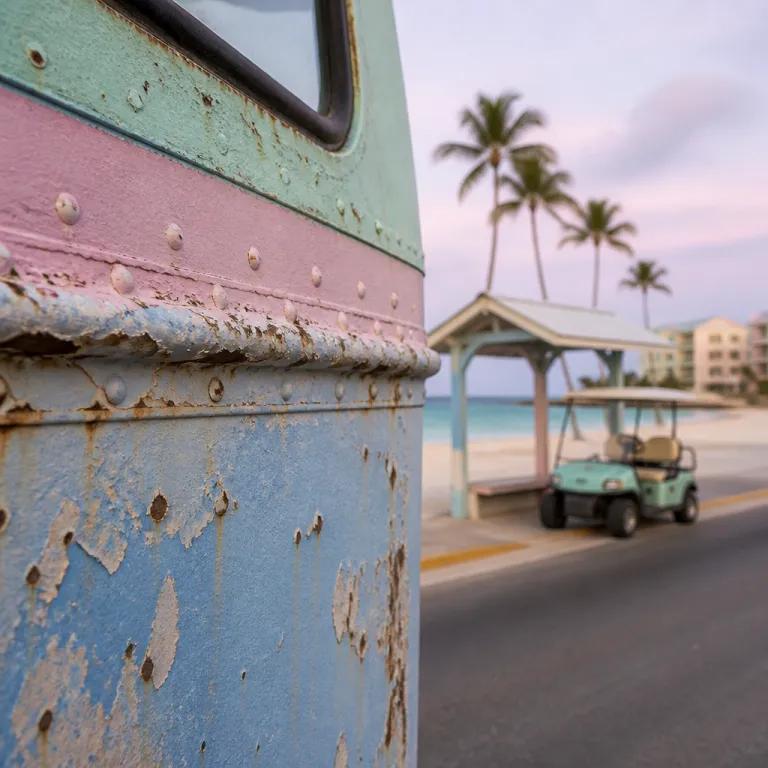
Understanding Punta Cana public transportation options before you book
Punta Cana sits on the eastern tip of the Dominican Republic, and its layout strongly shapes how you move around. The main hotel zones stretch along the coast from Cap Cana in the south through Punta Cana proper, Bávaro, Arena Gorda, Cabeza Toro, Los Corales and up to Uvero Alto. When you compare resorts in these areas, you should evaluate not only the rooms and beaches but also how easily each zone connects to public transport, taxis and ride-hailing services.
For many guests, the best value comes from matching their hotel choice with realistic Punta Cana public transportation options rather than assuming everything is walkable. Long coastal distances, limited pavements and the tropical heat mean you will rely on some form of transport during most stays, whether that is local buses, Uber, or resort shuttles. Your total trip budget will therefore depend on how often you expect to leave the property and which transport modes you feel comfortable using, depending on distance, time of day and your group’s needs.
The core public transport network revolves around small local buses known as guaguas, which link Punta Cana with Verón, Cruce Verón, Bávaro and further towards Higüey. These buses operate as shared public transportation, stopping frequently to pick up workers heading to and from the resorts along the highway. As of 2024, most guaguas on the main corridor run roughly every 10–20 minutes in daytime, with less frequent departures at night. If you plan to explore beyond your hotel, understanding where the nearest informal bus station or roadside stop sits in relation to your lobby can make a noticeable difference to both cost and convenience.
How buses and guaguas work between hotel zones and nearby cities
Local bus services form the backbone of Punta Cana public transportation options for residents and budget conscious travellers. Guaguas run fixed routes between Punta Cana, Verón, Cruce Verón and the main Bávaro corridor, with some continuing towards Higüey and occasionally connecting to services bound for Santo Domingo or Puerto Plata. These buses are basic but functional, and they offer the best price for public transport if you are comfortable with simple conditions and occasional crowding.
There is no large central bus station in Punta Cana in the way you might expect in Santo Domingo or Santiago, but there are several key gathering points. Around Cruce Verón you will find a cluster of buses that act as an informal bus station, where vehicles depart towards Punta Cana Airport, Bávaro, Arena Gorda and other resort zones. From here, you can also connect to long distance buses heading towards Santo Domingo or Puerto Plata, typically run by companies such as Expreso Bávaro and Caribe Tours, which publish current timetables and fares on their official websites and social media pages. Checking those sources shortly before travel helps you confirm departure times, approximate journey length and whether advance reservations are required.
When planning hotel stays, consider how long it takes to reach these bus hubs from your chosen resort, depending on distance and traffic. Properties in central Bávaro or near Los Corales usually sit closer to the main public transport routes than more secluded hotels in Cap Cana or Uvero Alto. If you are comparing coastal regions for a wider itinerary, resources that contrast Punta Cana versus Puerto Plata for families, such as this guide on how each coast shapes your trip, can help you weigh transport logistics alongside beaches and activities.
Using taxis and Uber from resorts, the airport and local neighborhoods
Car taxis remain one of the most visible Punta Cana public transportation options, especially around resorts and at Punta Cana Airport. Official taxi ranks operate at the arrivals area of Punta Cana International Airport, at major shopping plazas in Bávaro and near larger resorts in Cap Cana, Arena Gorda, Cabeza Toro and Uvero Alto. These taxis are regulated but relatively expensive, with flat fares that rise quickly depending on distance from the airport or main highway.
Uber now operates in Punta Cana and, while there have been periodic disputes with local taxi associations, it currently functions as a legal ride-hailing option for both tourists and residents. The service covers most of the coastal strip from Cap Cana through Punta Cana, Bávaro, Los Corales and up to parts of Uvero Alto, although availability can fluctuate at peak times. Because prices are calculated in the app, Uber often offers the best transparency for transportation in Punta Cana, especially for travellers unfamiliar with local taxi tariffs in the Dominican Republic. For the latest information on coverage, payment methods and safety features, consult the official Uber app or help center, which reflect any regulatory changes affecting operations in the region.
When leaving your hotel, ask reception where drivers are allowed to pick up, as some resorts restrict direct access for Uber and independent taxis. In busy nightlife areas such as Los Corales or central Bávaro, you can usually request Uber directly from the street, while in more secluded zones like Uvero Alto you may wait longer for a car. If evening outings are a priority, consult detailed neighborhood guides such as this overview of where to stay in Punta Cana for nightlife, which pairs hotel areas with realistic late night transport options.
Linking Punta Cana with Santo Domingo, Puerto Plata and the wider country
Many travellers combine a beach stay in Punta Cana with cultural time in Santo Domingo or a second coastal base in Puerto Plata. Long distance buses connect these regions, turning the national network into an extension of Punta Cana public transportation options for those willing to travel a few hours by road. Companies operate from dedicated terminals in Santo Domingo and Puerto Plata, while in the east they usually stop near Cruce Verón or other roadside points rather than a formal station.
From Punta Cana, you can reach Santo Domingo by coach style buses that depart several times per day, offering air conditioning and assigned seating. These services are more comfortable than local buses and provide a predictable schedule, which helps when you are coordinating hotel check in times in the capital or planning onward travel. Once in Santo Domingo, the city’s own public transport network of buses and metro lines gives you access to historic neighborhoods, shopping districts and the Malecón waterfront. For up to date routes, fares and operating hours in the capital, refer to the official Santo Domingo Metro and OMSA bus websites, which publish current maps and service notices.
Travellers considering a multi destination itinerary often compare the feel of Punta Cana with that of Puerto Plata on the north coast. While Punta Cana focuses on large resorts and newer infrastructure, Puerto Plata offers a more traditional urban layout with easier access to local markets and city style public transportation. If you are flying into New York or another major hub and want to match airfare with the right coastal base, resources such as this guide to cheap flights to Punta Cana from NYC can help you align flight prices, hotel choices and overland transport between regions.
Choosing the right neighborhood: Bávaro, Los Corales, Arena Gorda and beyond
The choice of neighborhood within Punta Cana has a direct impact on which public transportation modes feel practical during your stay. Central areas such as Bávaro and Los Corales sit close to the main highway, where guaguas, buses and shared taxis pass frequently throughout the day. These zones also offer shorter Uber and taxi rides to shopping centers, beach clubs and local eateries, which can be the best balance between convenience and cost for many guests.
Arena Gorda and Cabeza Toro host several large beachfront resorts that feel pleasantly secluded, but this seclusion comes with longer rides to off site attractions. From these areas, you will likely rely more on resort shuttles, Uber or pre arranged transportation in Punta Cana rather than walking to a bus station or flagging down public transport on the highway. If you enjoy exploring independently, check how far your chosen hotel sits from the main road and whether there is a safe, well lit path for pedestrians.
Further north, Uvero Alto offers a quieter stretch of coast with fewer local services immediately outside the resorts. Here, taxis and Uber may take longer to arrive, and guaguas are less frequent than around Bávaro or Los Corales, which matters if you plan multiple off property excursions, depending on distance and time of day. In contrast, Cap Cana and the original Punta Cana area near the marina provide a more upscale, master planned environment, where many guests opt for private transport rather than mixing with everyday public transportation users.
Practical safety, budgeting and planning tips for hotel guests
When evaluating Punta Cana public transportation options, safety and clarity on costs should guide your decisions as much as convenience. Local motoconchos, which are motorcycle taxis, offer quick and inexpensive rides for short hops between neighborhoods, but they require more risk tolerance than enclosed vehicles. If you choose this form of transport, always wear a helmet, keep bags close and avoid using motoconchos late at night or on high speed stretches of road.
For taxis, confirm the fare before you start the journey, especially from Punta Cana Airport to resorts in Bávaro, Arena Gorda, Cabeza Toro or Uvero Alto. Official taxi associations publish reference prices on notice boards at the airport and major hotel zones, but rates can still vary depending distance, time and whether you are travelling alone or as a group. Uber provides a useful benchmark, since you can compare the app estimate with any quoted taxi price and decide which transportation solution feels fair for your route.
Local authorities and tourism stakeholders emphasise a few simple guidelines to keep travel smooth and secure. They advise visitors to confirm fares before trips, use official taxis, wear helmets on motoconchos, and be cautious with personal belongings. By combining these habits with a clear understanding of how buses, Uber and taxis operate around your chosen neighborhood, you can move confidently between hotel, beach, shopping and excursions throughout your stay in the Dominican Republic.
Key figures on Punta Cana public transportation options
- Average taxi fares from Punta Cana Airport to nearby resorts often reach around 30 USD for typical journeys, which makes taxis one of the higher cost options compared with local buses or shared shuttles. For the most accurate, dated prices, check the official fare boards at Punta Cana International Airport on arrival or consult the airport’s website before you travel.
- Motoconcho rides for short distances in areas such as Bávaro or Verón can cost as little as about 2 USD, offering a very low price point but with higher safety considerations than enclosed vehicles. Always confirm the price in Dominican pesos before you get on and avoid riding without a helmet, even for quick trips.
- Uber is currently operational in Punta Cana as an app based service, giving travellers an alternative to street taxis with upfront pricing and digital receipts for expense tracking. Because dynamic pricing can apply at busy times, it is worth checking the fare estimate in the app a few minutes apart to see whether the rate is stable or surging.
- Local guaguas generally run from early morning until late evening, providing continuous public transport links between Punta Cana, Verón, Cruce Verón and Bávaro for workers and visitors. On the busiest stretches, departures can be as frequent as every 10–15 minutes during rush hours, with longer gaps late at night or on Sundays.
- Taxi services and Uber operate twenty four hours a day in the main resort zones, which is particularly valuable for guests staying in nightlife focused neighborhoods such as Los Corales or central Bávaro. If you plan very early airport transfers or late returns from clubs, confirm availability with your hotel concierge or check the Uber app the night before.
FAQ: Is Uber available in Punta Cana?
Yes, Uber operates and is regulated in Punta Cana, although relations with traditional taxi groups can change over time. The service covers most major resort areas, including Punta Cana, Bávaro, Los Corales and parts of Uvero Alto, although waiting times can vary by neighborhood. You can request rides from Punta Cana Airport, shopping centers and many resorts, but always check where drivers are allowed to pick up on each property. For the most current status on legality, service zones and accepted payment methods, rely on the official Uber app or website, which is updated as local regulations evolve.
FAQ: Are motoconchos safe for tourists to use?
They are quick and inexpensive but can be risky; choose drivers with visible identification or official vests where available. Motoconchos are best for short daytime trips on quieter streets rather than long rides on highways. If you are not comfortable on motorcycles or are travelling with children, taxis, Uber or hotel shuttles are safer alternatives.
FAQ: How much do taxis cost in Punta Cana?
Taxis are available but expensive; confirm fares before trips. Journeys from Punta Cana Airport to nearby resorts typically cost around 30 USD, with higher prices for more distant areas such as Uvero Alto. Always agree on the fare in advance or request a written quote from the taxi stand to avoid misunderstandings, and cross check with the latest official rate tables displayed at the airport or hotel taxi desk so you know whether the price you are offered is in line with current guidelines.
FAQ: Is there reliable public transport between Punta Cana and Santo Domingo?
Yes, coach style buses run several times per day between Punta Cana and Santo Domingo, offering air conditioning and reserved seats. These services usually depart from roadside stops near Cruce Verón rather than a central station, so you may need a taxi or Uber from your resort to the departure point. Once in Santo Domingo, you can connect to the city’s own public transportation network of buses and metro lines. For precise departure times, ticket prices and booking options, consult the official pages or customer service numbers of operators such as Expreso Bávaro and Caribe Tours shortly before your travel date.
FAQ: Which Punta Cana neighborhoods are best for using public buses?
Areas close to the main highway, such as Bávaro, central Punta Cana and Los Corales, offer the easiest access to guaguas and other local buses. From these neighborhoods, you can usually walk or take a short motoconcho ride to reach informal bus stops or a small bus station area. More remote zones like Uvero Alto or parts of Cap Cana rely more on taxis, Uber and hotel shuttles than on everyday public transport. If frequent bus use is important to you, ask your accommodation for the nearest stop, typical guagua frequency and any recent changes to routes, as these details can shift over time.