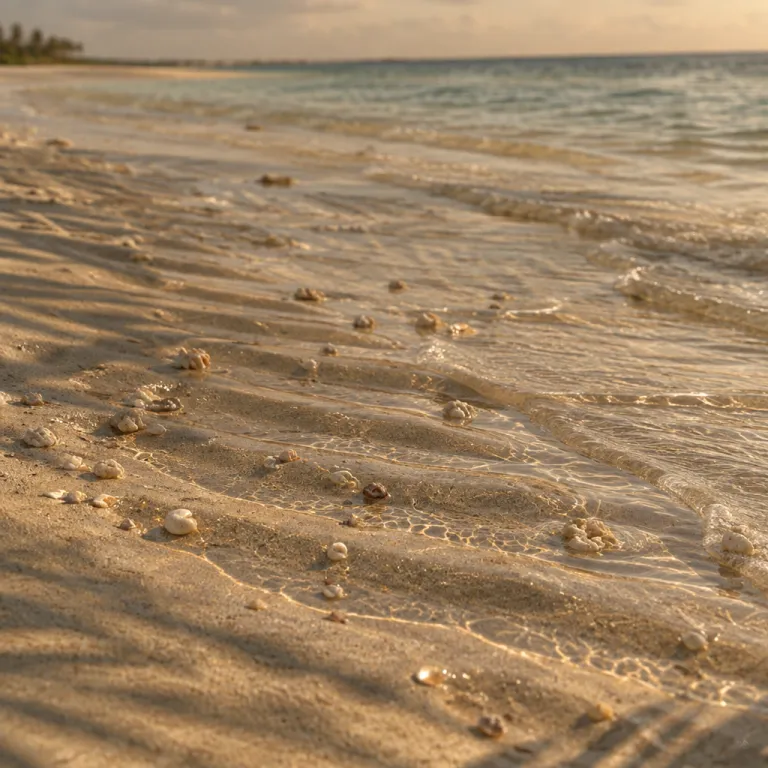
How to define the punta cana best beach for swimming
The punta cana best beach for swimming combines calm, protected water with reliable safety services and easy access from your hotel. Along this stretch of the Dominican Republic coast, beaches with gentle waves, minimal seaweed and gradual depth changes are the safest for long swims. When you choose a resort, focus on how the beach in front behaves during the day, not just how it looks in edited marketing photos or filtered social media posts.
In Punta Cana, the Caribbean Sea and Atlantic Ocean meet, so conditions vary along the same line of white sand. Some sections face stronger currents and more wind, while other areas are sheltered by offshore reefs that create crystal clear lagoons. The punta cana best beach for swimming will usually sit behind a protective reef, where the water stays clear, the sand underfoot feels smooth and you can stand comfortably for a long distance from shore without sudden drop offs.
Look for lifeguard towers, flagged zones and clearly marked swimming areas on every beach. These signs show that the resort and local authorities monitor water safety along that section of playa. When you compare the best beaches, ask hotels for recent photos or videos of the shoreline and water, because seaweed levels and sand banks can shift between seasons and even from one month to the next, according to updates shared by the Dominican Ministry of Tourism in 2023.
Bávaro Beach and nearby resorts for effortless daily swims
Bávaro Beach is often considered the punta cana best beach for swimming because of its long, protected lagoon and extensive resort infrastructure. The white sand here stretches for roughly 10 kilometres, and many nearby resorts maintain wide, clean sections of beach with loungers, shade and direct access to calm water. Families appreciate that the Caribbean style shallows stay relatively shallow for a long distance, which makes it easier to supervise children and less confident swimmers.
Along Bávaro Beach, the mix of resort piers and offshore coral helps break waves before they reach the shore. This creates crystal clear shallows where you can swim parallel to the sand without battling strong currents or heavy seaweed lines. When you book a resort in this part of Punta Cana, ask whether their section of playa faces the main reef or a more open stretch, because that detail can change your daily swimming experience, especially on breezier afternoons when wind can increase surface chop.
Public access rules along Bávaro Beach can influence how you move between resorts and beaches during your stay. For a clear explanation of how public and private sections work in the Dominican Republic, review a recent guide on Punta Cana beach access and local rules published by tourism authorities in 2022. Understanding these rules helps you choose a resort that offers both secure access and the freedom to walk the shoreline in either direction without feeling restricted by fences or security checkpoints.
Macao Beach, Playa Blanca and hidden swimming spots
Macao Beach offers a different personality from Bávaro Beach, yet it still ranks among the best beaches for confident swimmers. The bay here opens more directly to the Atlantic, so waves can be livelier, but on a calm day the water feels fresh and the sand underfoot remains pleasantly firm. Stronger swimmers often rate Macao Beach as the punta cana best beach for swimming when they want a more natural setting with fewer large resort buildings and a more local atmosphere, including small food stands and surf schools.
Playa Blanca, located within the Cap Cana area, feels more secluded and controlled, which appeals to guests who value privacy. The white sand curve of Playa Blanca is sheltered by reefs, creating crystal clear shallows that suit relaxed laps and gentle floating. Several nearby resorts and a stylish beach club manage access, so you enjoy a quieter atmosphere while still having services like loungers, showers, lifeguards during core daytime hours and attentive staff who can quickly flag changing conditions.
Hidden coves around Cap Cana and along less developed stretches of coast can offer perfect swimming on the right day. However, these smaller playas rarely have lifeguards or clear safety flags, so they are better for experienced swimmers who understand currents in the Dominican Republic. When your priority is safe daily swimming from your resort, focus on Macao Beach, Playa Blanca and Bávaro Beach before considering more remote beaches travellers mention in forums or social media groups, where services and safety oversight can be inconsistent.
Saona Island, Playa Rincón and day trips from Punta Cana
While your hotel will likely sit on a local beach, some of the most memorable swims happen on day excursions. Isla Saona, reached by boat from the mainland, offers shallow turquoise water and powdery sand that many guests call the best in the Caribbean. Typical tours from Punta Cana involve a two to three hour transfer each way, including road and boat time, and the lagoons around Isla Saona are usually crystal clear, which makes them ideal for relaxed floating and gentle snorkelling between swims, according to tour operator schedules updated in 2023.
Playa Rincón, on the Samaná peninsula, requires a longer transfer from Punta Cana, yet it rewards determined travellers with a wild, cinematic bay. Here the combination of white sand, palm trees and calm, clear water creates a setting that rivals any beach postcard. Because Playa Rincón remains less developed, you will not find large resort complexes, so this experience works best as a curated excursion rather than a base for your entire stay, with travel times that can easily exceed four hours each way depending on road conditions.
Some itineraries combine Saona Island with stops near San Juan de la Maguana or Puerto Plata, though these routes involve significant driving across the Dominican Republic and are less common for first time visitors. Puerto Plata and the broader costa de la plata dominican region have their own best beaches, including the famous Kite Beach near Cabarete, which suits water sports more than tranquil laps. For most hotel guests in Punta Cana, Saona Island and Playa Rincón function as special day trips that complement, rather than replace, the daily swims at their chosen resort.
Comparing Punta Cana with Puerto Plata and Kite Beach
When travellers compare the punta cana best beach for swimming with options in Puerto Plata, they often notice differences in wave energy and wind. The north coast around Puerto Plata and San Juan de la Maguana faces the open Atlantic more directly, which creates stronger surf on many beaches. This is why Kite Beach near Cabarete has become a global hub for kitesurfing and wind sports, while Punta Cana focuses more on relaxed resort swimming and family friendly lagoons with predictable conditions.
In contrast, the Punta Cana and Cap Cana coastline benefits from protective reefs and sand bars that soften waves. These natural features help maintain clear water and stable sand banks, which matter when you plan to swim every day. Guests who prioritise calm conditions usually find that beaches on this side of the island, especially Bávaro Beach and Playa Blanca, offer a more predictable experience than many beaches travellers visit in the north, where swells and wind can change quickly from one day to the next.
Puerto Plata still has appealing playas, particularly in the sheltered bays of the so called Costa de Ámbar. However, if your main goal is to step from your resort directly into gentle, crystal clear water, Punta Cana remains the stronger choice. You can still schedule a multi destination itinerary that includes both regions of the Dominican Republic, but choose your primary hotel base according to how often you plan to swim and how comfortable you feel in livelier surf and breezier conditions.
How hotels manage seaweed, sand quality and water clarity
Seaweed, especially sargassum, can affect even the punta cana best beach for swimming during certain months. The heaviest arrivals in the wider Caribbean have typically appeared between late spring and early autumn, although exact timing changes from year to year, according to regional monitoring summaries from 2022–2023. Resorts along Bávaro Beach, Macao Beach and Cap Cana now invest in offshore barriers, daily cleaning crews and sand grooming equipment to keep the shoreline usable. When you compare hotels, ask how they manage seaweed and whether they share real time updates with guests.
Sand quality also shapes your swimming experience, because fine white sand feels softer underfoot and keeps the water clearer. The most sought after stretches of beach on the Punta Cana side, such as Playa Blanca and Bávaro Beach, feature pale, almost flour like sand that reflects sunlight and brightens the Caribbean water. In some corners of the Dominican Republic, including parts of Puerto Plata, the sand can be darker or coarser, which slightly changes the colour and clarity of the shallows and may feel different under bare feet as you walk into the surf.
Water clarity depends on several factors, including offshore reefs, river mouths and daily wind patterns. Resorts in Cap Cana and along the central section of Bávaro Beach tend to enjoy more consistently crystal clear conditions, especially in the morning. If you are sensitive to visibility, choose a resort that faces a protected lagoon rather than an open bay, and plan your longest swims earlier in the day before breezes stir the surface and tour boats increase activity offshore, which can cloud the water temporarily.
Choosing the right resort and beach club for your stay
When you evaluate hotels, start by deciding whether you prefer a large all inclusive resort or a smaller property with access to a managed beach club. Large resorts on Bávaro Beach and in Cap Cana often control long sections of playa, which means more space for swimmers and better maintained sand. A dedicated beach club can add services like towel attendants, showers, shaded loungers close to the water and food service without leaving the sand, turning each swim into an easy ritual rather than a logistical effort.
Look carefully at maps to see how far your room will be from the shoreline, because some nearby resorts market themselves as beach properties while sitting several hundred metres inland. If daily swimming defines your holiday, prioritise resorts where you can walk from bed to beach in under five minutes. For guests who also plan to try scuba or snorkelling, a recent guide to Punta Cana hotels for first time divers offers useful planning tips and helps you combine easy swimming with beginner friendly dive sites and supervised training sessions.
Finally, consider how you like to spend time between swims, because some of the best beaches sit near lively promenades while others feel more secluded. Cap Cana and Playa Blanca lean toward quiet elegance, with refined dining and calm evenings by the Caribbean. Bávaro Beach offers a broader mix of entertainment, shopping and water sports, so you can move from a peaceful morning swim to a more social afternoon without leaving the same stretch of sand or relying on long transfers across the region.
Key figures about Punta Cana beaches and swimming
- The main Punta Cana resort zone runs along a long, mostly continuous strip of beach, giving swimmers access to one of the more extensive uninterrupted coastlines in the Caribbean, according to general summaries from the Dominican Ministry of Tourism published in 2021.
- Bávaro Beach and several neighbouring playas have been recognised in past seasons for meeting international standards on water quality, safety and environmental management through programmes such as Blue Flag, based on information from the Fundación para la Educación Ambiental and local tourism reports for 2020–2023.
- Saona Island welcomes hundreds of thousands of visitors per year on organised excursions, making it one of the most popular day trip beaches Dominican operators offer from Punta Cana, according to estimates shared by regional tour associations and tourism officials in 2022.
- Studies cited by regional marine agencies, including the Caribbean Regional Fisheries Mechanism, indicate that healthy coastal reefs near destinations like Punta Cana can reduce incoming wave energy by more than 50% on calm days, which directly improves swimming conditions along protected sections of sand.
FAQ about swimming beaches in Punta Cana
Which area of Punta Cana has the calmest water for swimming ?
The calmest water usually appears along Bávaro Beach and inside the Cap Cana lagoon, where offshore reefs break incoming waves. These areas often provide crystal clear shallows with gentle depth changes, which suit relaxed daily swimming. When booking, ask your resort whether their specific stretch of playa faces a reef protected lagoon or a more open bay, and whether mornings or afternoons tend to be calmer during the season you plan to visit.
Is Macao Beach safe for children and less confident swimmers ?
Macao Beach can be safe on calm days, but waves and currents are generally stronger than at Bávaro Beach or Playa Blanca. Families with small children or nervous swimmers may prefer resorts on more sheltered beaches, where lifeguards and flagged zones are common during typical daytime hours. If you visit Macao Beach, stay close to the shore, follow local advice and avoid swimming during rough conditions or when red flags are posted by safety staff.
How bad is seaweed on Punta Cana beaches ?
Seaweed levels change by season and by specific location along the coast. Many resorts now use offshore barriers and daily cleaning crews to keep their sections of sand usable, especially on the most popular beaches travellers choose, such as Bávaro Beach and Cap Cana. Before you travel, check recent guest photos and ask your hotel for updates on current seaweed conditions, particularly if you are visiting between late spring and early autumn, when sargassum peaks have been recorded in recent years.
Are Punta Cana beaches public or private for hotel guests ?
By law, all beaches in the Dominican Republic are public, but resorts control access points, facilities and services on the land behind the sand. Hotel guests usually enjoy reserved loungers, security and easier entry to the water, while non guests may need to use designated public paths. Understanding these rules helps you choose between large beachfront resorts and properties that rely on nearby public access, especially if you enjoy long shoreline walks that pass several different hotels.
Can I swim safely at Saona Island and Playa Rincón during excursions ?
Most organised excursions to Isla Saona and Playa Rincón include supervised swimming stops in sheltered bays with relatively calm water. Conditions can still change quickly, so follow your guide’s instructions and stay within marked areas, especially if you are not a strong swimmer. These day trips complement, rather than replace, the safer and more predictable swimming you will find directly in front of your Punta Cana resort, where you can observe conditions over several days and adjust your routine accordingly.